Visiting Puglia: Ostuni, Valle d'Itria & the Northern Coast
This is Part 2 of a two-part series diving into my adventures in Puglia. Check out Visiting Puglia: Salento Coast to Lecce if you haven't already!
The second half of my visit to Puglia focused on the Adriatic coast. Whitewashed hill towns, countryside dotted with trulli, centuries-old olive groves, and a gorgeous stretch of ocean.
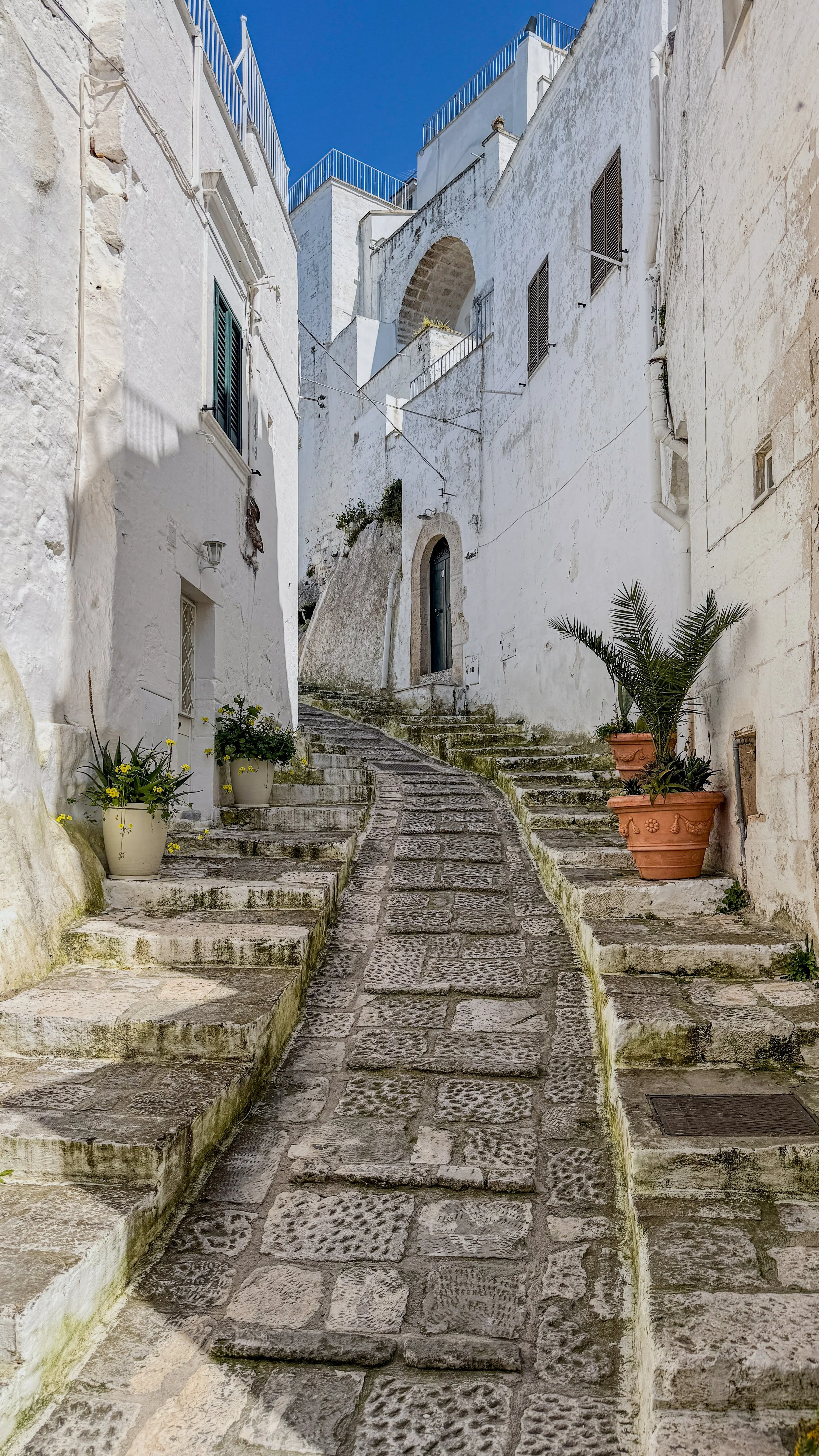
Ostuni: The White City
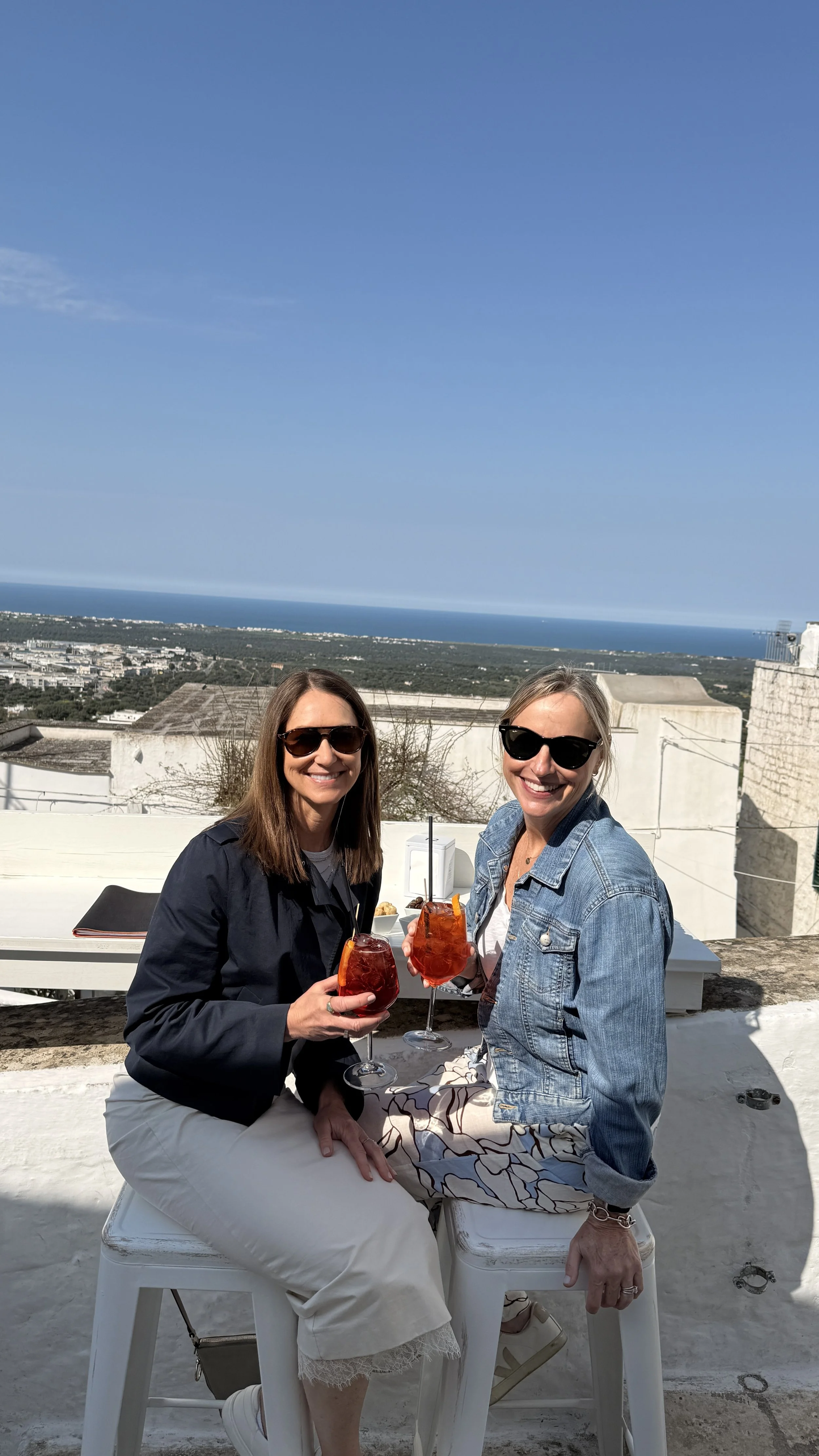
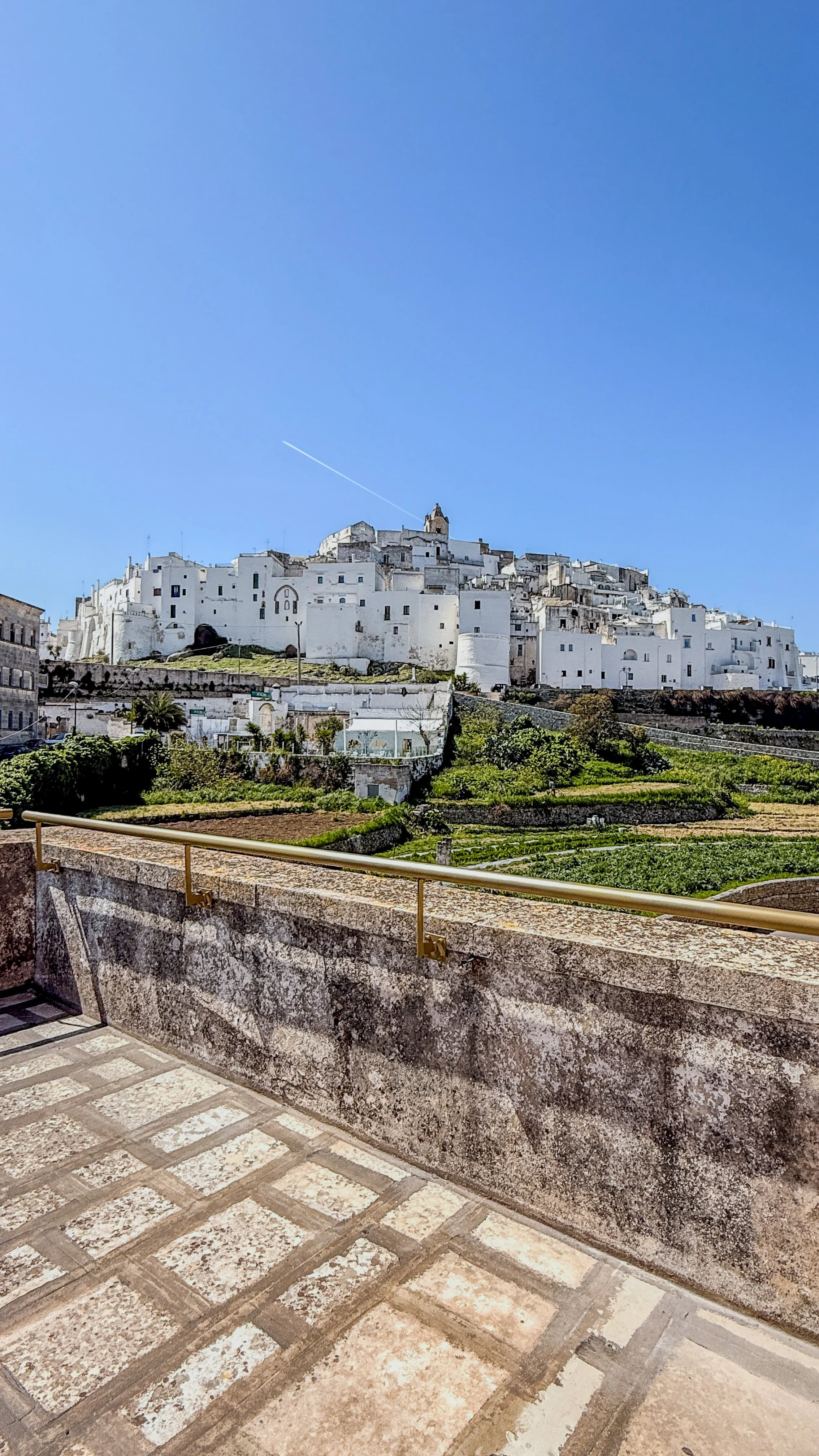
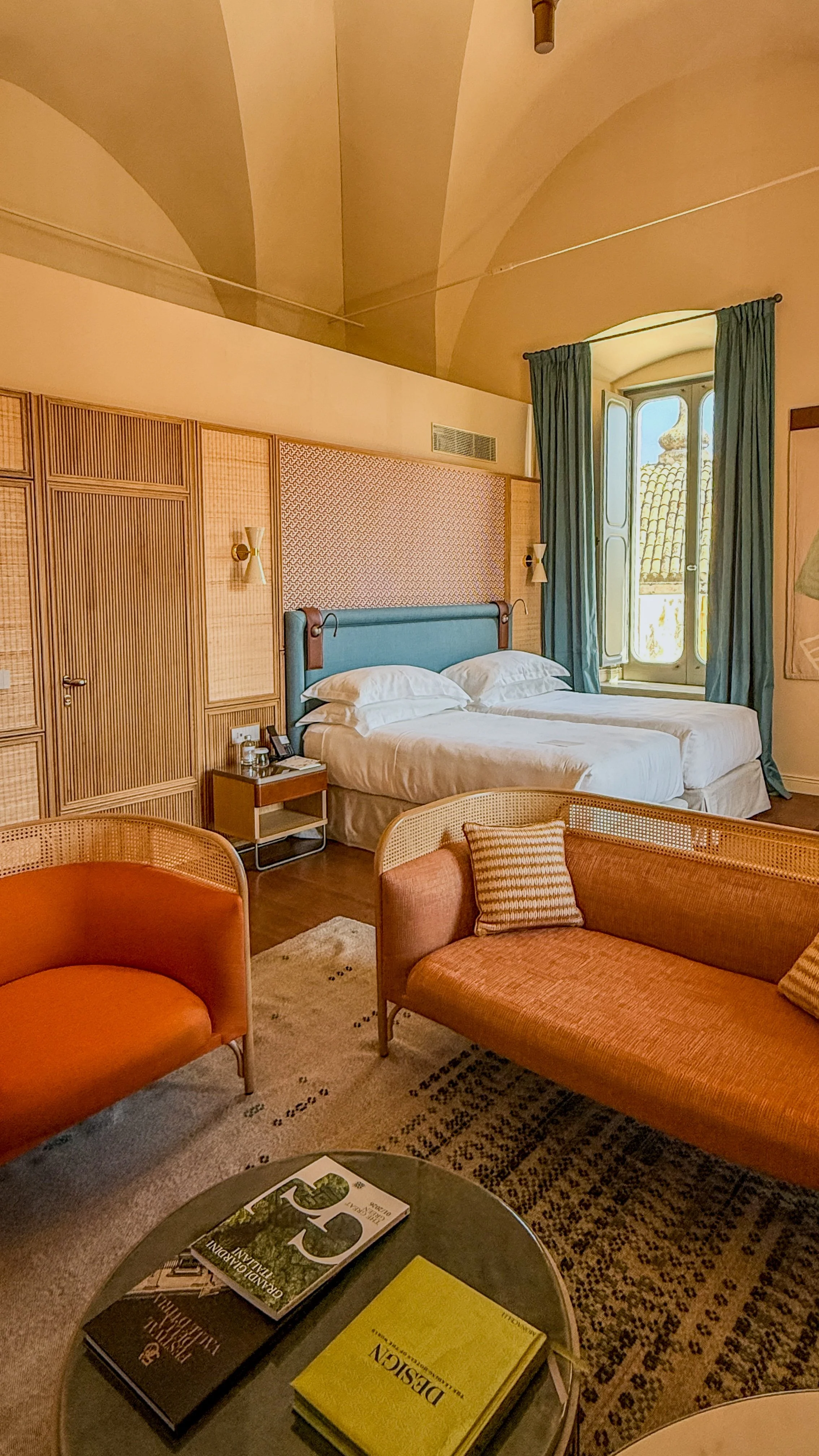
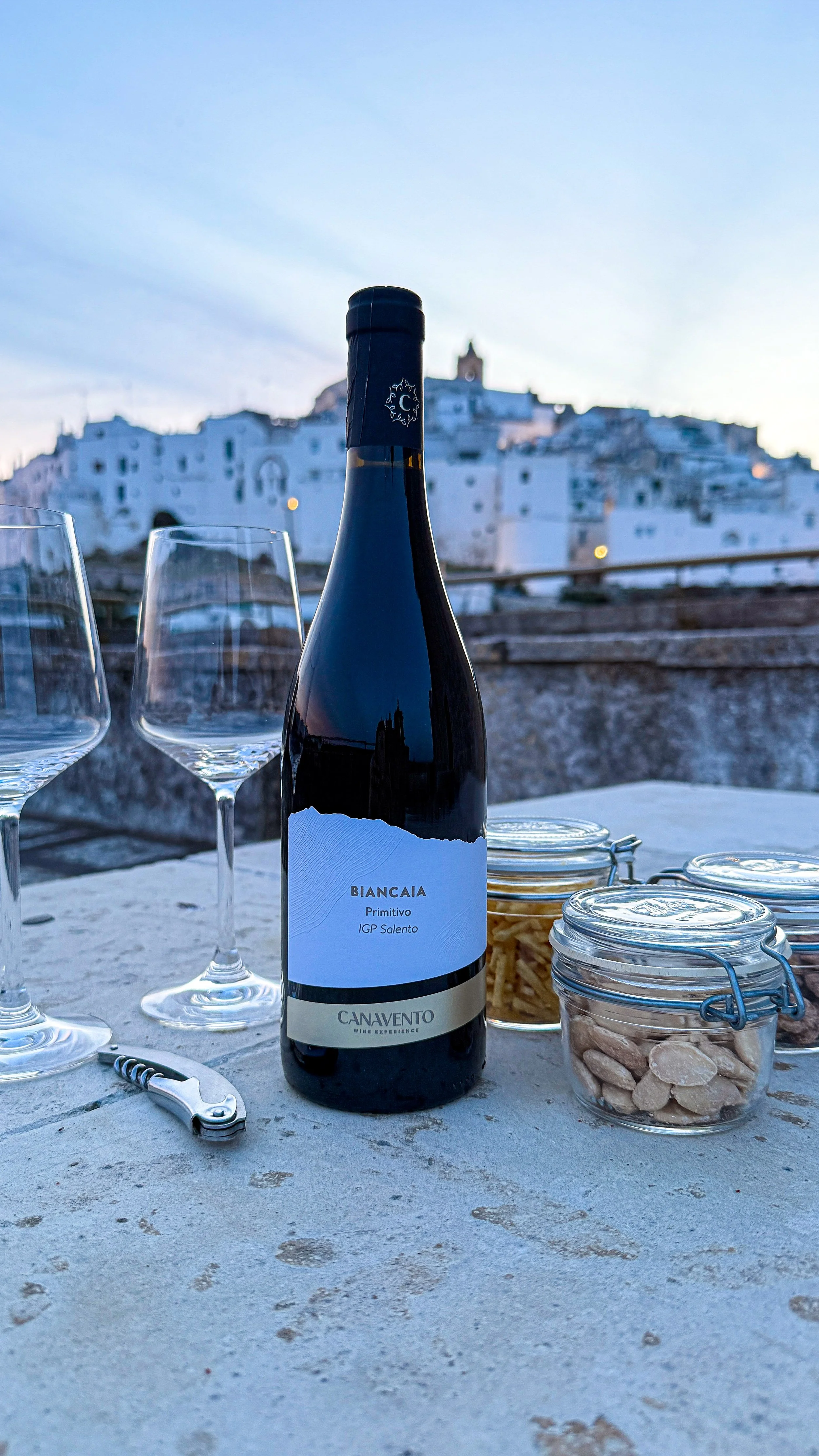
Ostuni earns its nickname. The old town sits high on a hill, a cluster of white buildings that can be seen from miles away. I stayed with a friend (who is also an excellent travel agent: find her here) at Vista Ostuni, which is right across from the historic town. Our room had a terrace with a view of the Adriatic on one side and the White City on the other, an incredible vantage point and a great place for an evening aperitivo.
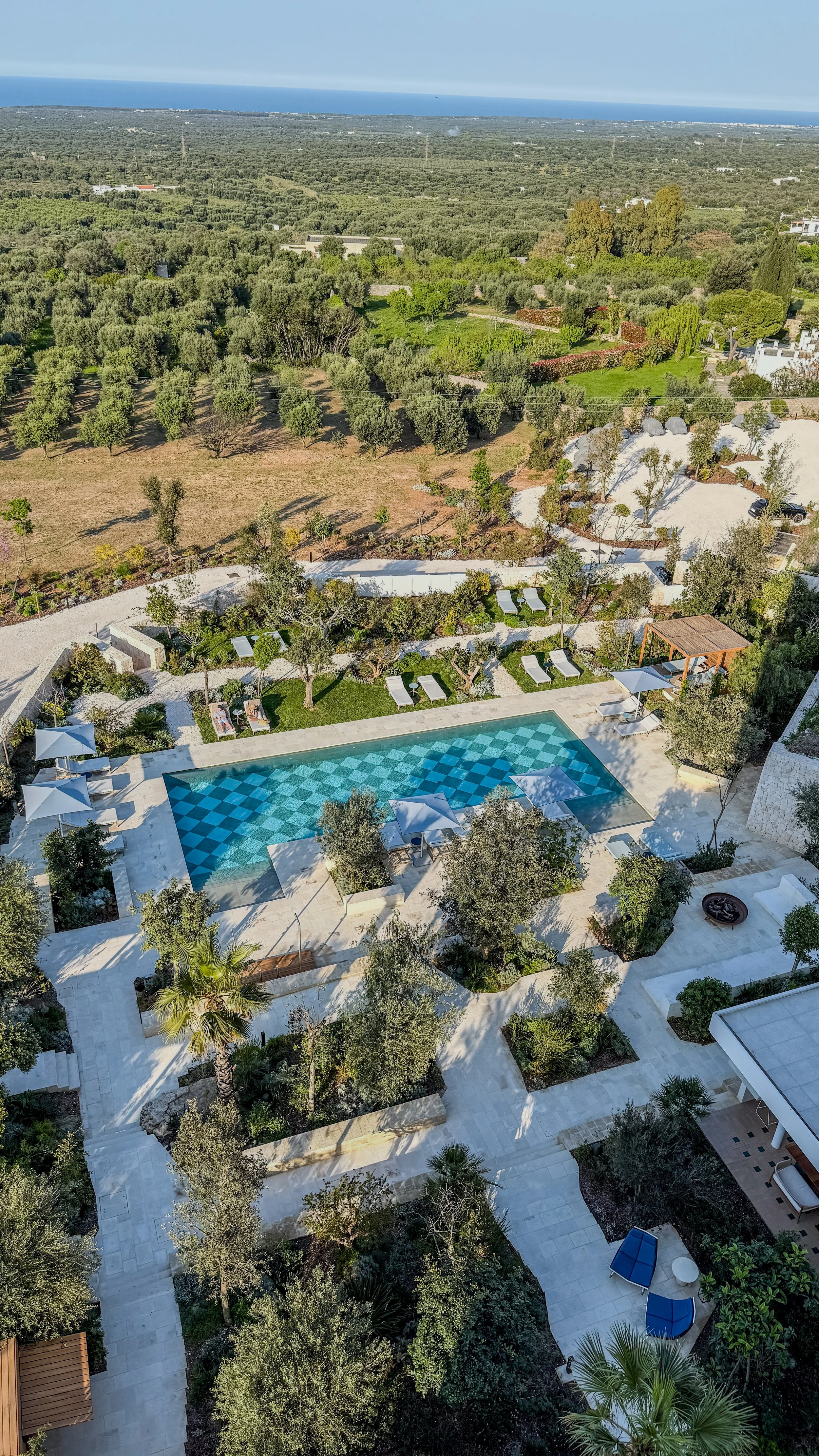
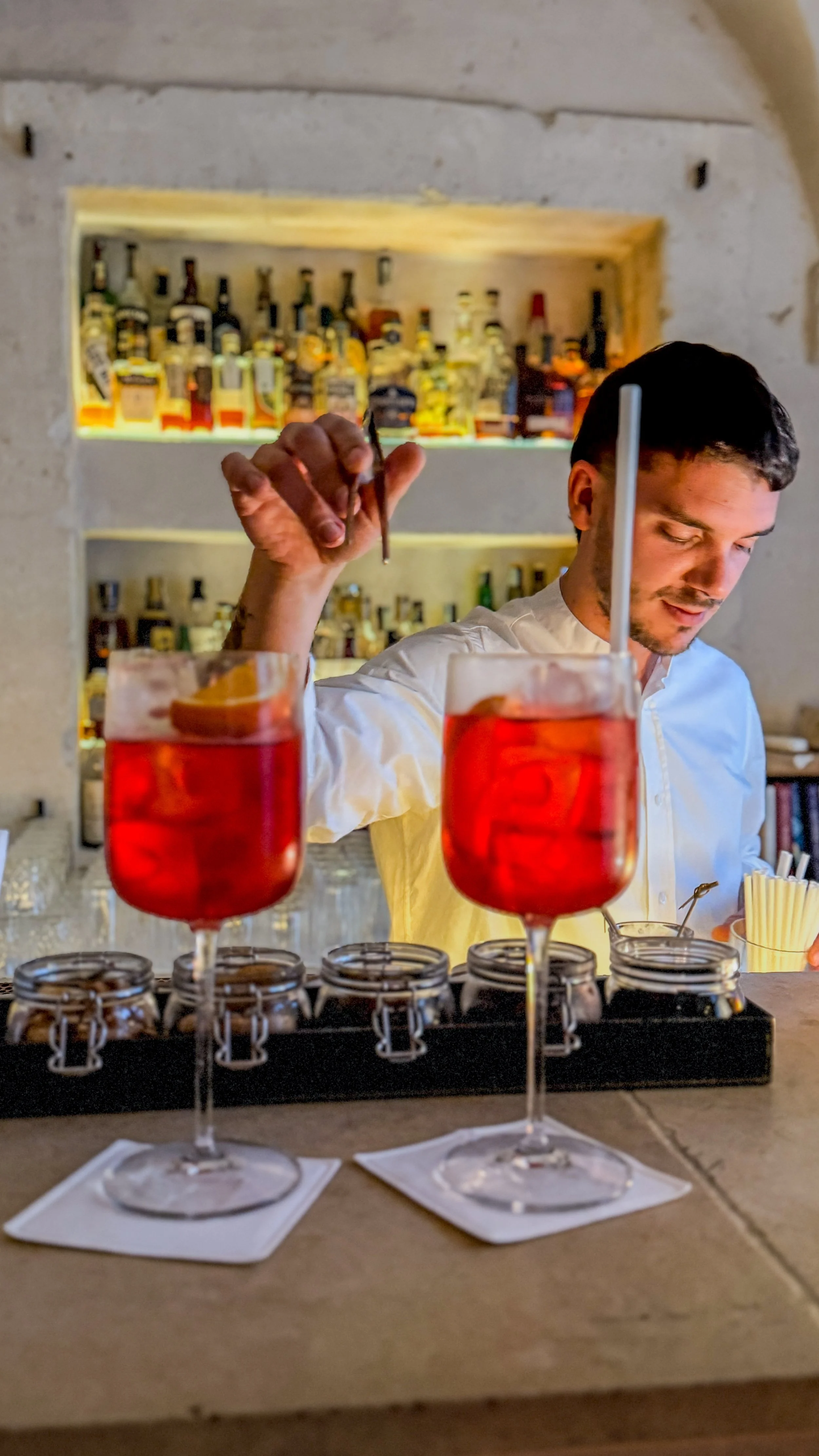
The hotel is one I would highly recommend. The breakfast included a beautiful display of local fruit and cheese, homemade breads and pastries, charcuterie, yogurt, fresh juice, and bottomless cappuccino served by the friendliest staff. The large pool was the perfect place to relax with chill vibey music playing in the background. They even provide straw hats in case you forgot one. And the wellness area became my favorite retreat complete with a sauna, hot tub, dark lights, cool drinks, spa treatments and a small workout room. We took advantage of the bar next to the lobby and visited each night, enjoying our bartender Valentino, who made it easy to stay longer than planned.
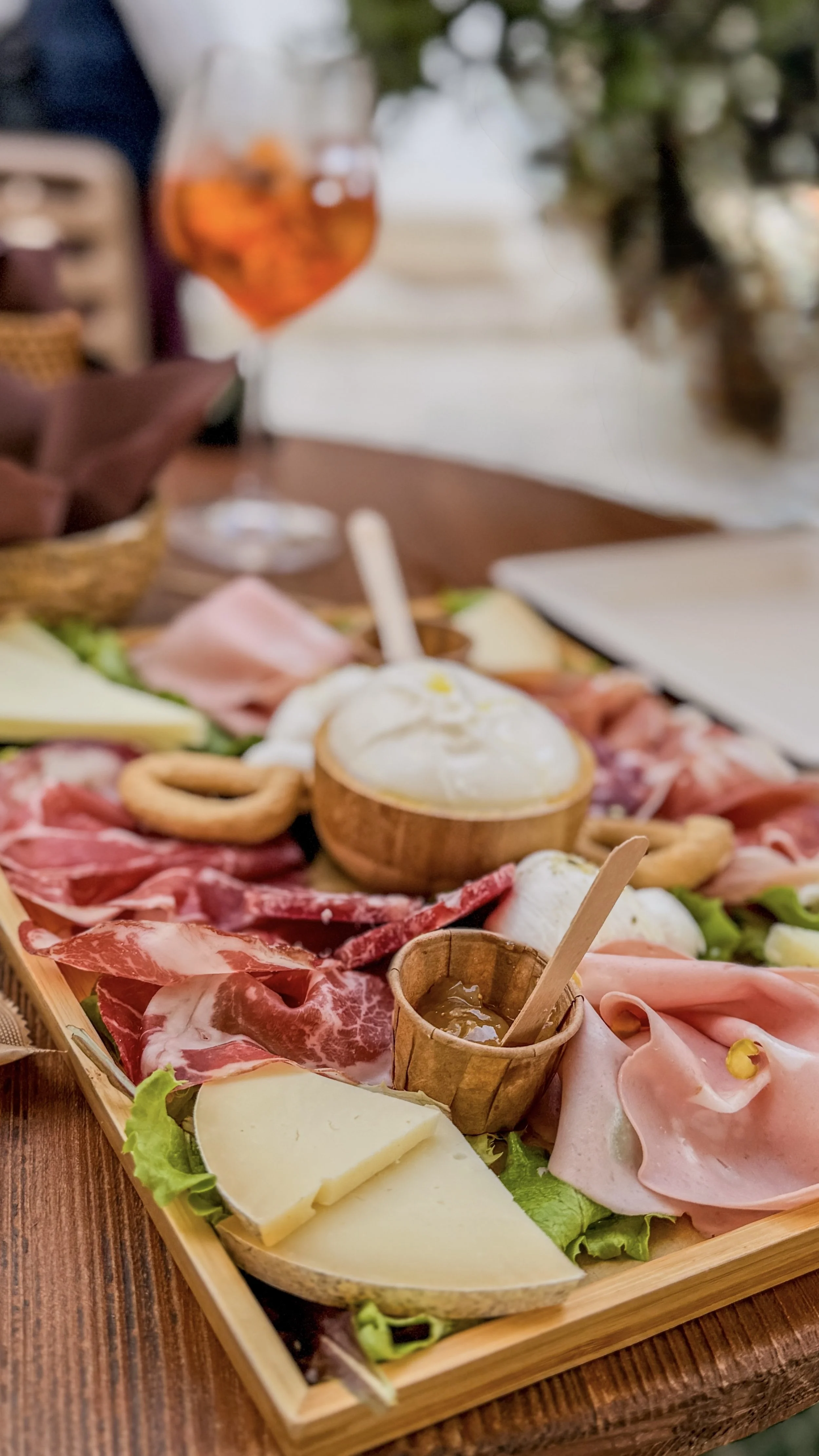
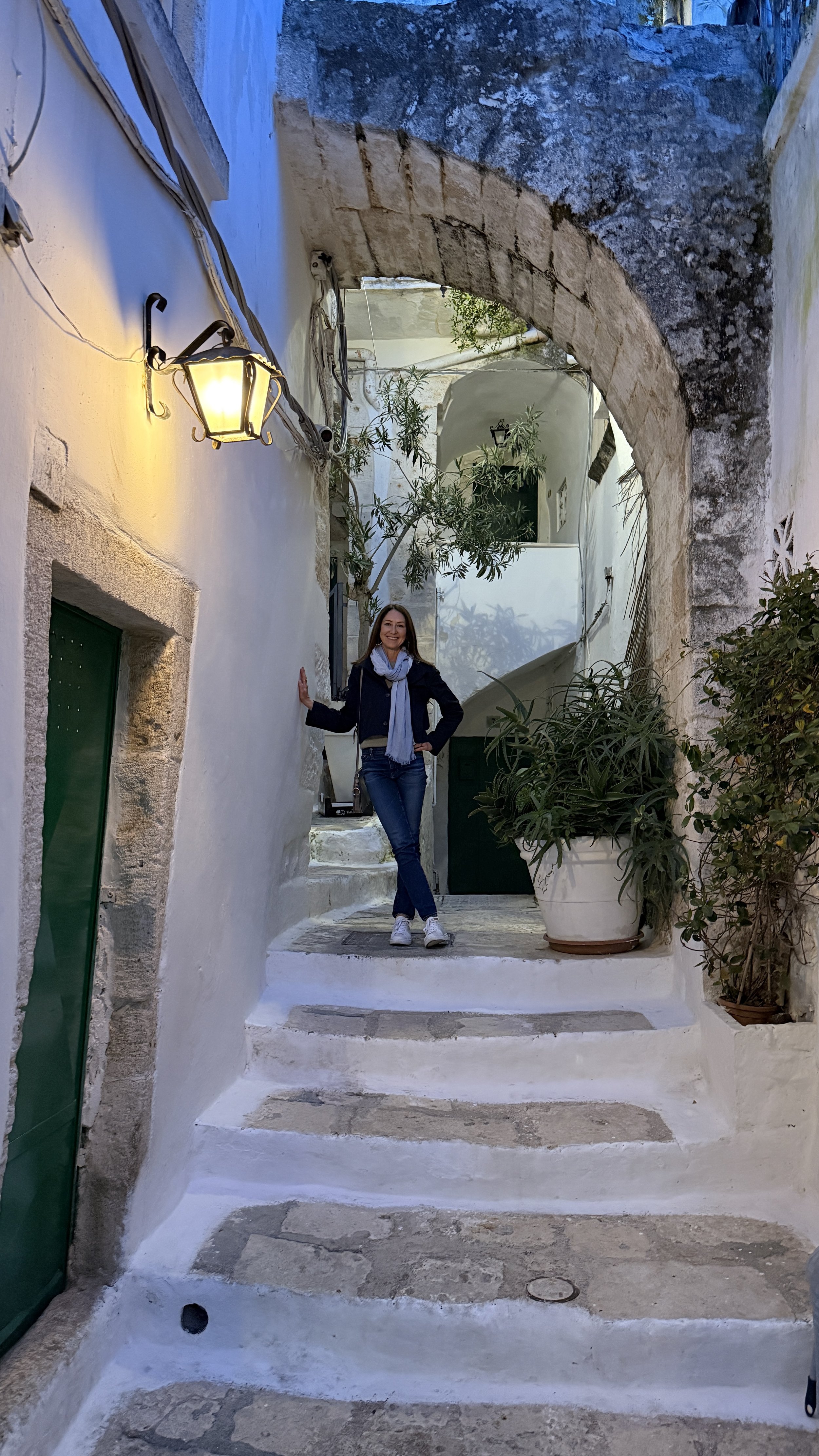
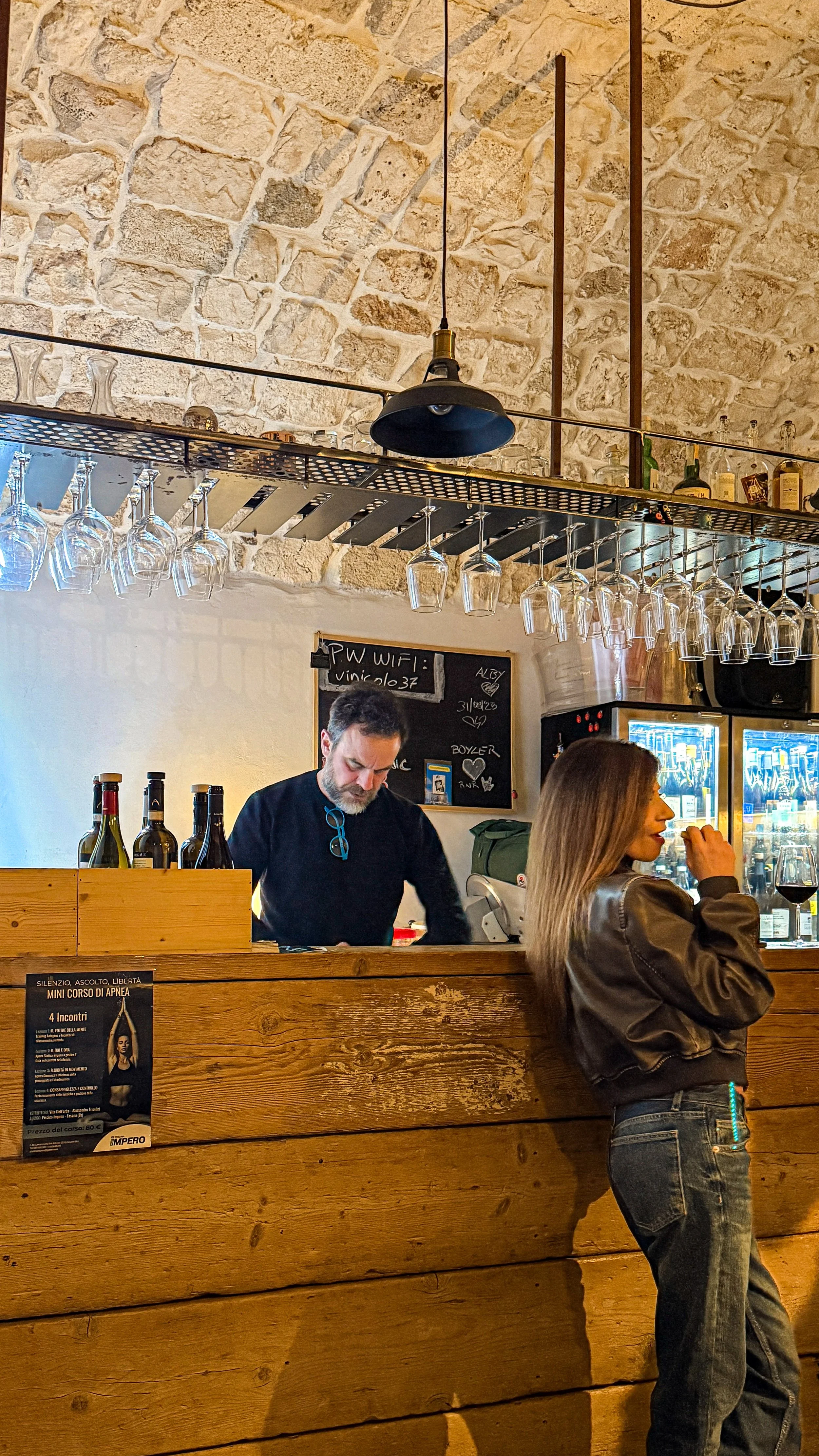
Wandering into town took less than 5 minutes, though it included a very short walk along a busy road with no sidewalk. Ostuni itself is a wonderful place to get lost. We spent an afternoon wandering through the streets, enjoying a spritz at Borgo Antico Bistro, which offers terraced casual dining, great music, and excellent views. Our evenings included an authentic Puglian dinner at Fava e Fogghje, and one late night sipping wine at a little wine bar called Vinicolo. Shortly after we arrived, another guest local to the area grabbed a guitar, the owner pulled out a harmonica, and the whole place turned into an impromptu sing along. We stayed late with our new friends, drinking local wine and eating charcuterie. It was a wonderful night.
Discovering Puglia Olive Oil
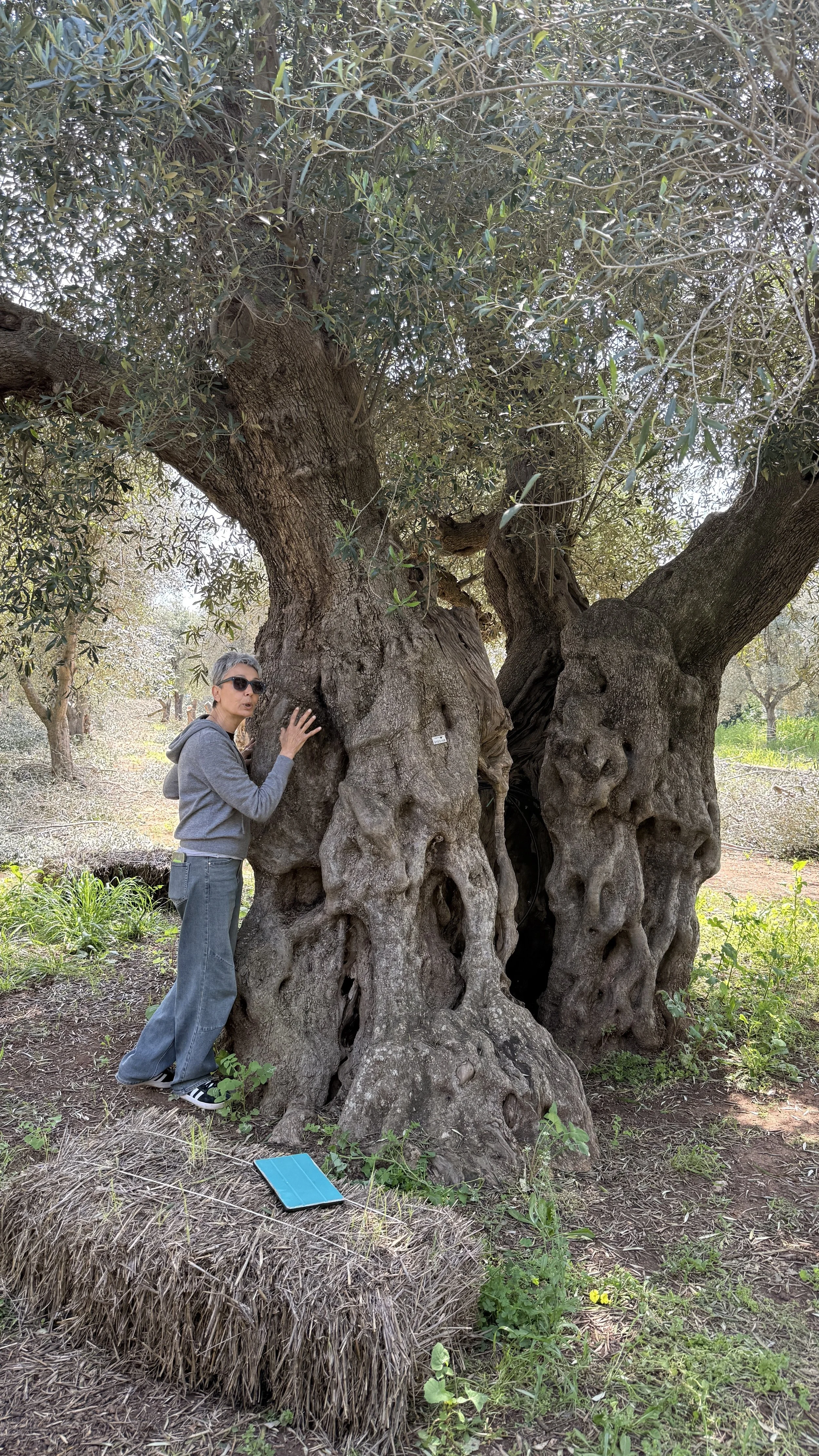
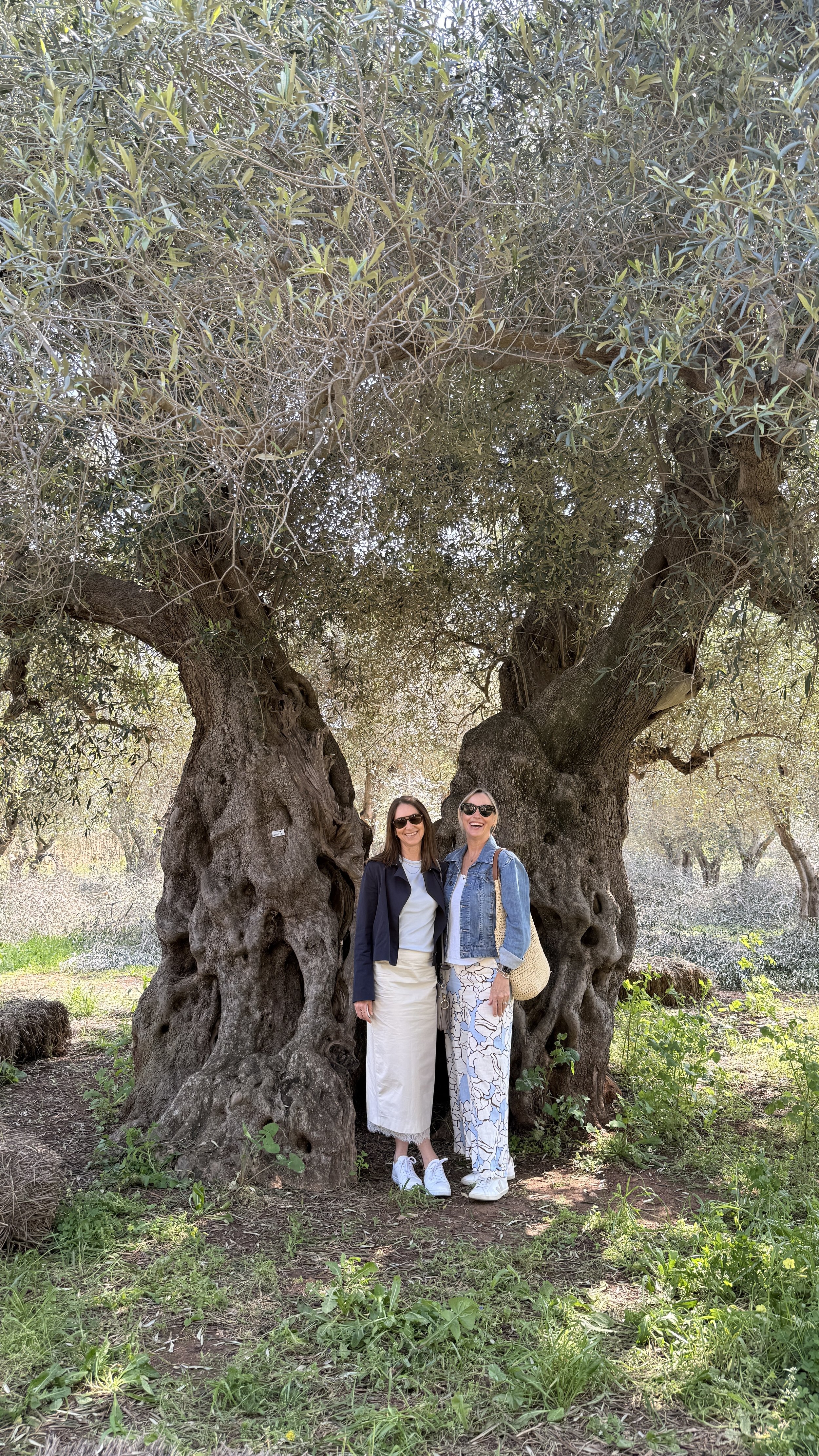
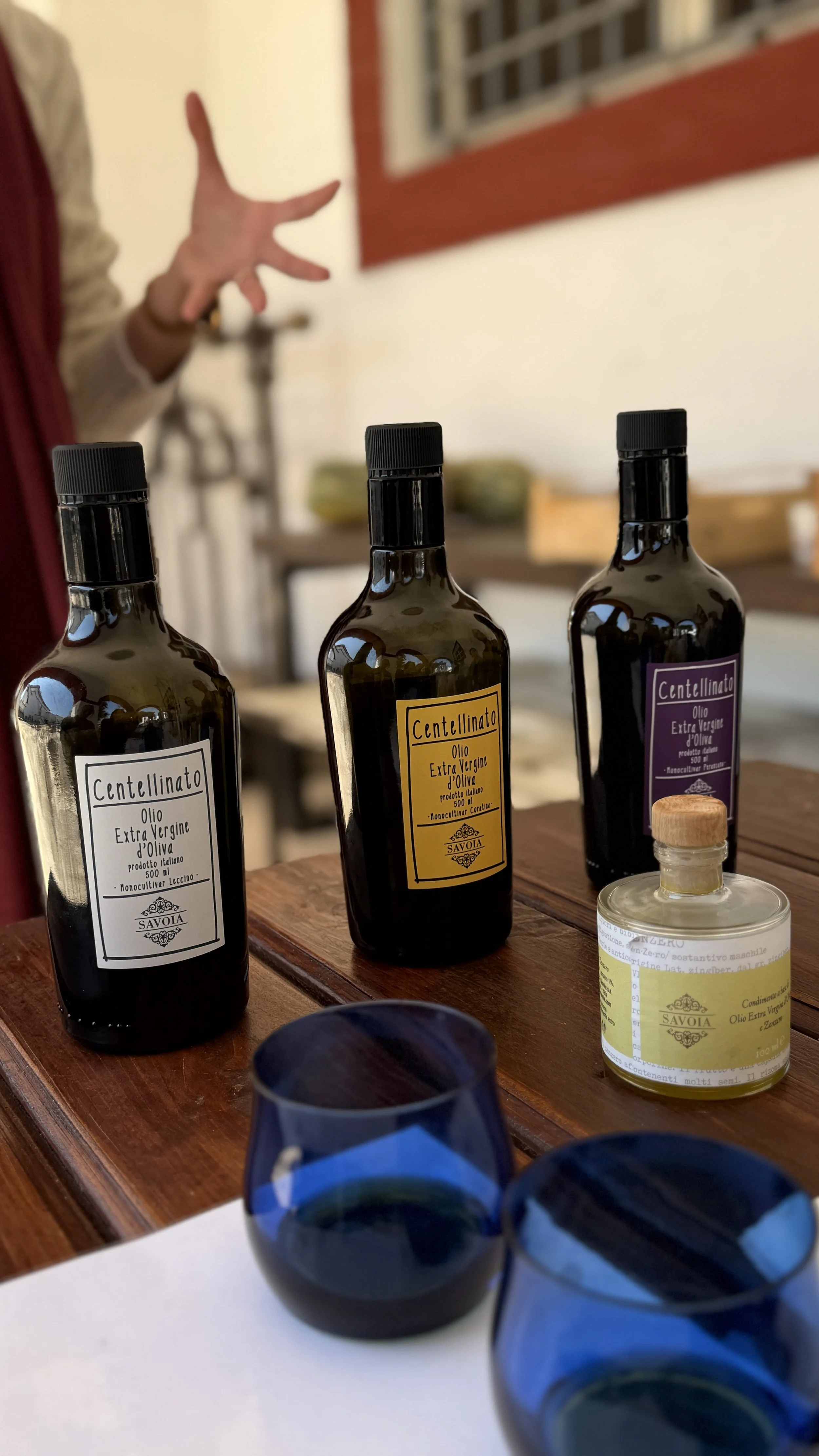
About ten minutes from Vista Ostuni, Masseria Savoia offers an olive oil tour and tasting that I'd recommend to anyone staying nearby. We began standing among the 10,000 olive trees owned and farmed by the Savoia family since 1909, some of them centuries old. Many here are "monumental" trees, a protected designation for olives over 250 years old. This is especially important because in more recent years a bacterial disease has swept through southern Puglia and destroyed an estimated 20 million olive trees. Protecting them is critical to their survival. Despite this devastation, thankfully there are still more than 60 million olive trees across Puglia producing spectacular olive oil.
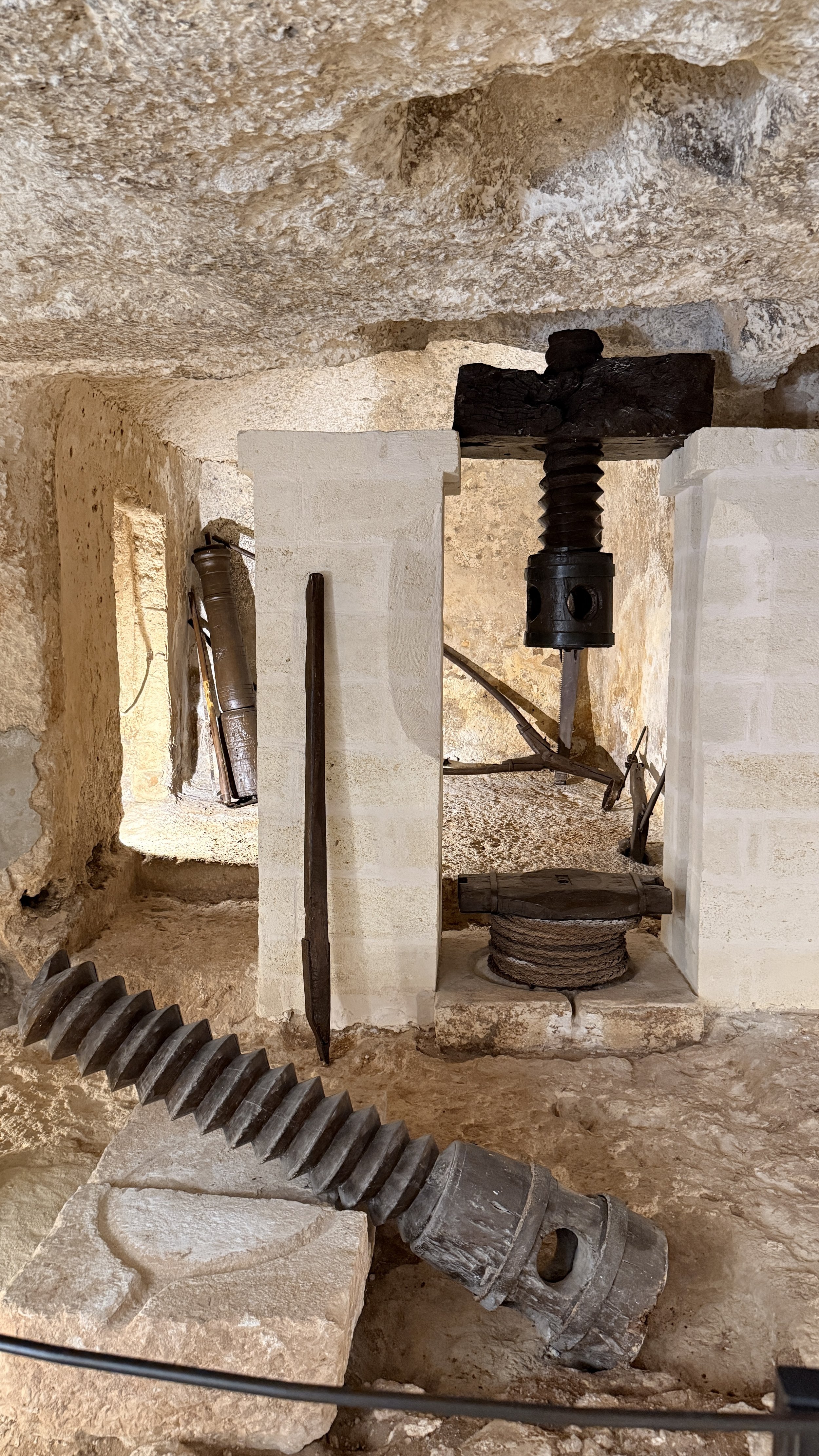
After learning the history, we toured the underground museum, a mill dating back roughly 900 years, that houses historic artifacts showing how olive oil was produced in the early days. Back in the early days, animals were used to power the press and the oil was used mostly for lamp oil. It was so valuable it was known as "liquid gold." We finished with a tasting of four different olive oils, all pressed from the ancient Puglian trees that give this region its distinctive peppery, full-flavored oil. That pepperiness is actually a sign of quality: we were told that the little catch at the back of your throat comes from the oil's antioxidants, and the local saying goes that coughing once means it's good, twice means very good, three times means it's medicinal quality.
They keep the tour group small and very affordable. It’s a great way to spend approximately 2 hours and head home with some of the best olive oil around, in convenient travel-sized cans.
Alberobello & Locorotondo: Trulli Country
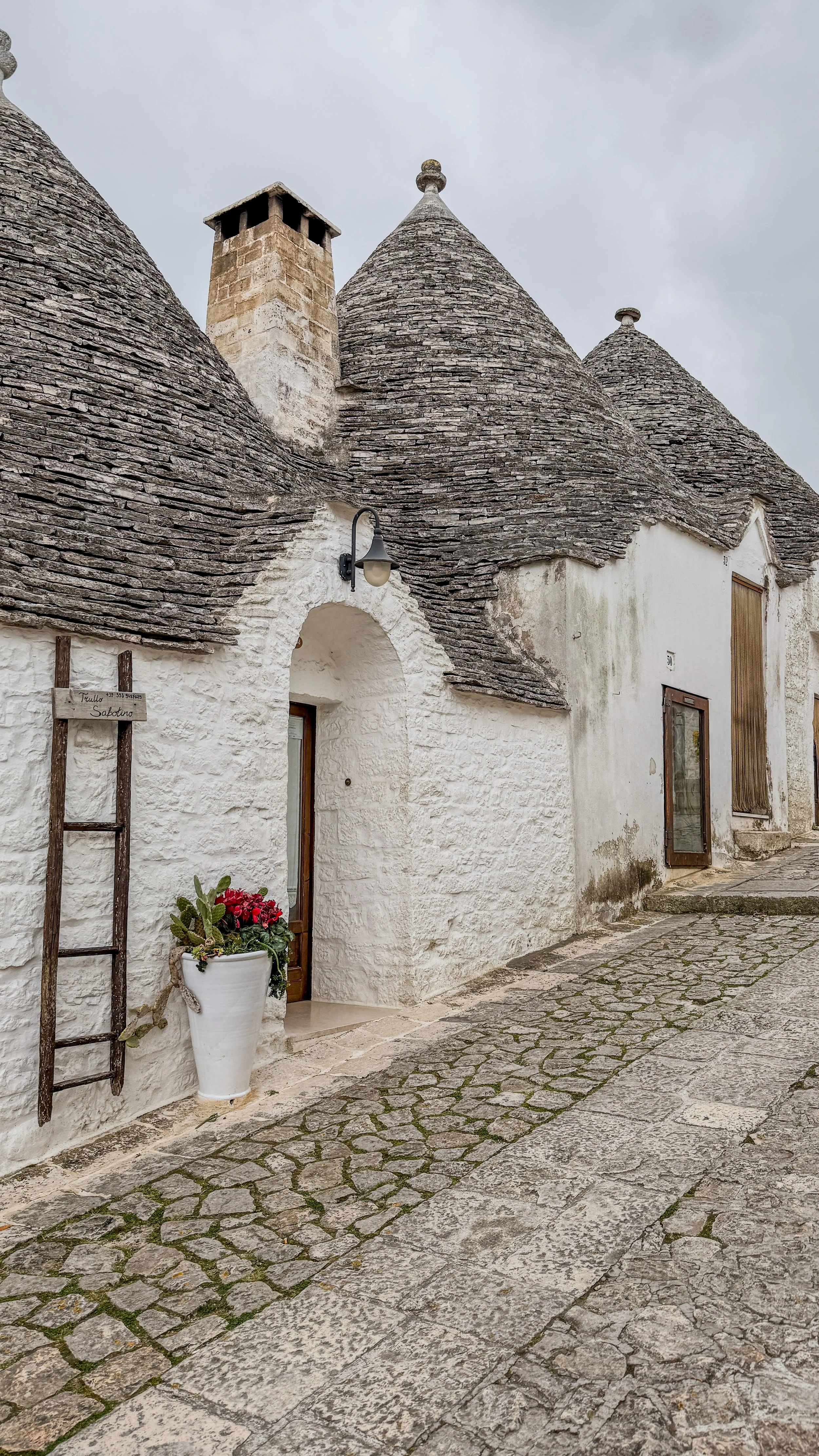
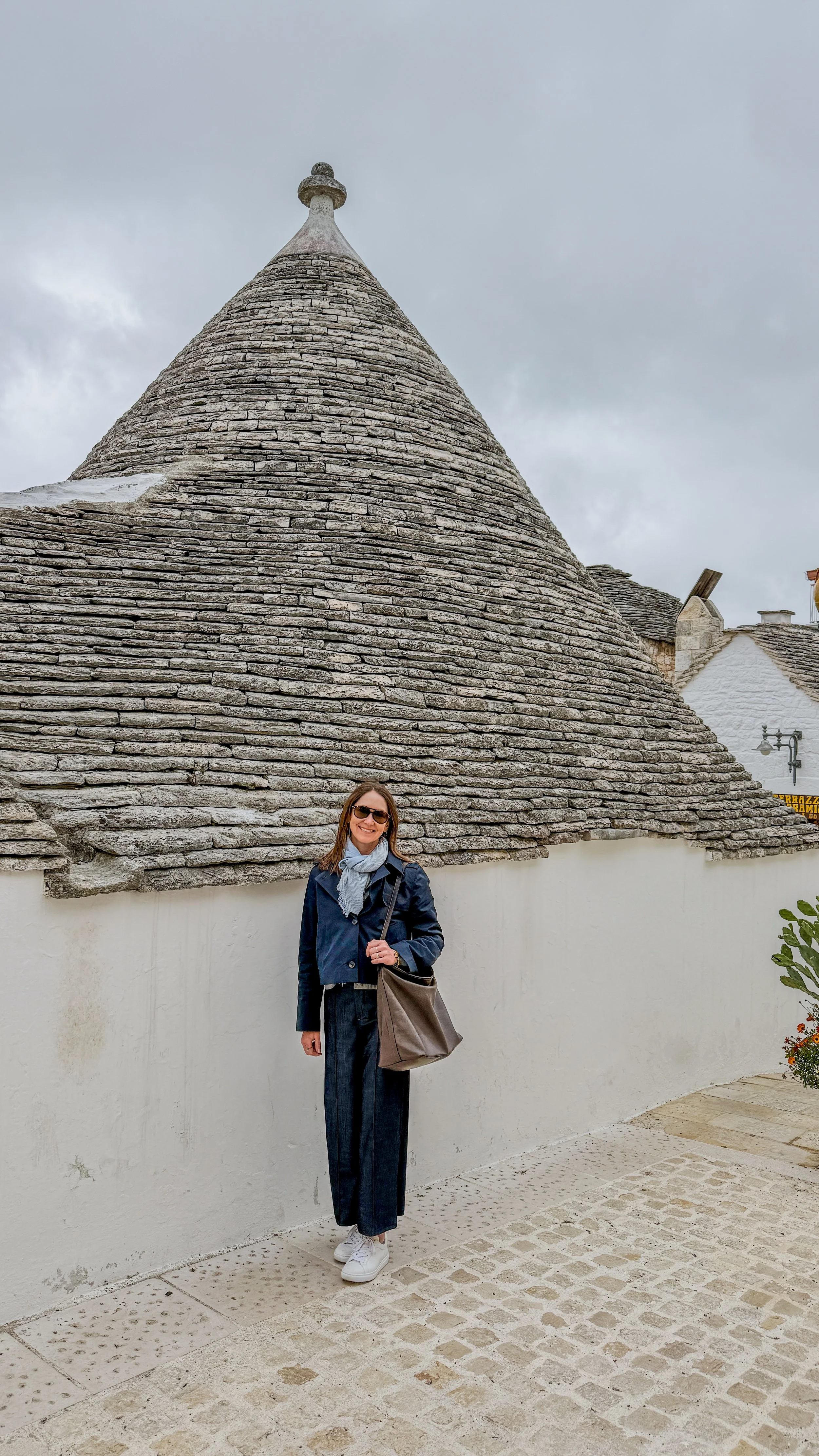
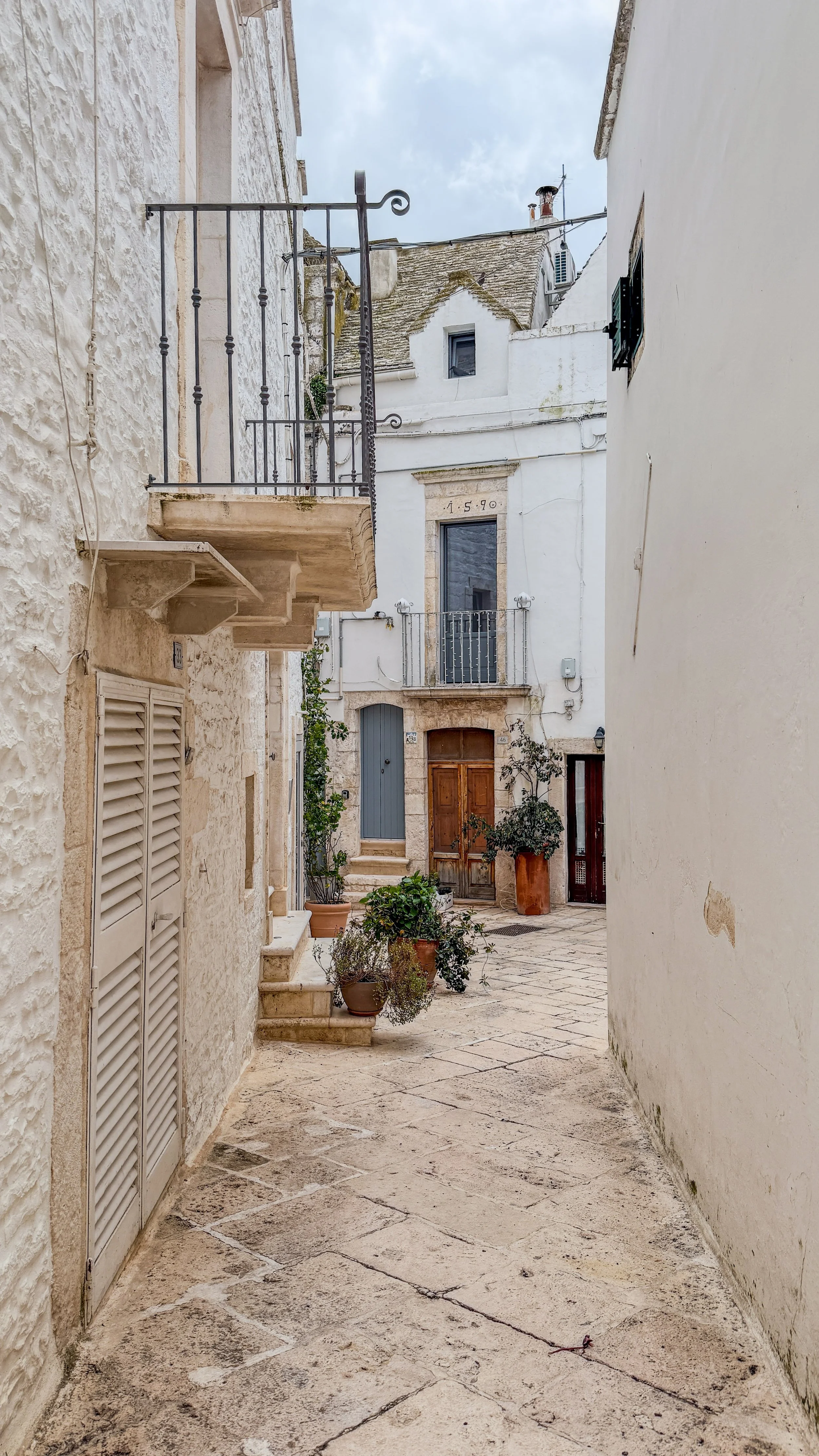
Alberobello is on just about every Puglia itinerary, and there's a reason why. The conical stone rooftops are unlike anything else in Italy. We visited on a cold, gray, windy day and still found it magical.
The trulli were historically used to house animals and store equipment before becoming the homes and shops they are today. The streets of Alberobello are bustling with tourists, snapping photos, buying local goods, and enjoying the uniqueness of this town.
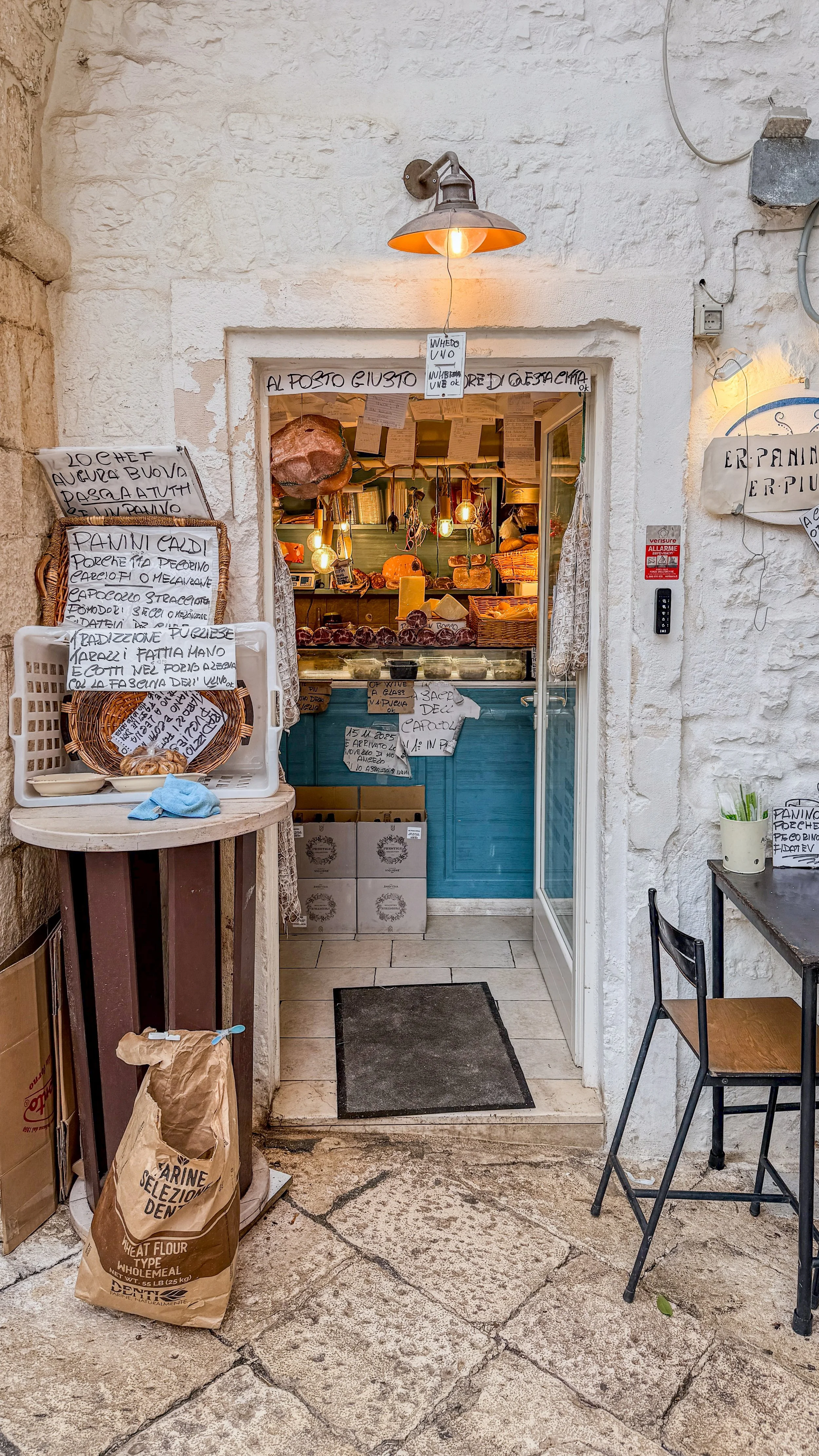
We stumbled into Intini, an olive oil and wine shop run by a man whose grandfather had built the home decades before. He explained how he grew up running up and down that very street before it became a tourist attraction, and now he and his brother run a family olive farm and produce their own oil and wine. He shared details about the history of the trulli and the region, fully engaged in sharing the details with us. As is common in Puglia, we never felt rushed to move on, which is a special quality about this region.
Most people make time for a visit to Alberobello. When you do, don't skip Locorotondo. It's tiny and fairytale-pretty, with whitewashed walls and winding lanes, and is the perfect spot for lunch. There's also VIDA Concept Store, a wonderful shop with local ceramics, silk scarves, and leather goods. It was the best place to buy gifts, which I didn't realize at the time. I picked up a few things but wish I had gotten more. Don't make the same mistake! A simple, local lunch at La Taverna Del Duca was a perfect midday treat.
Borgo Egnazia
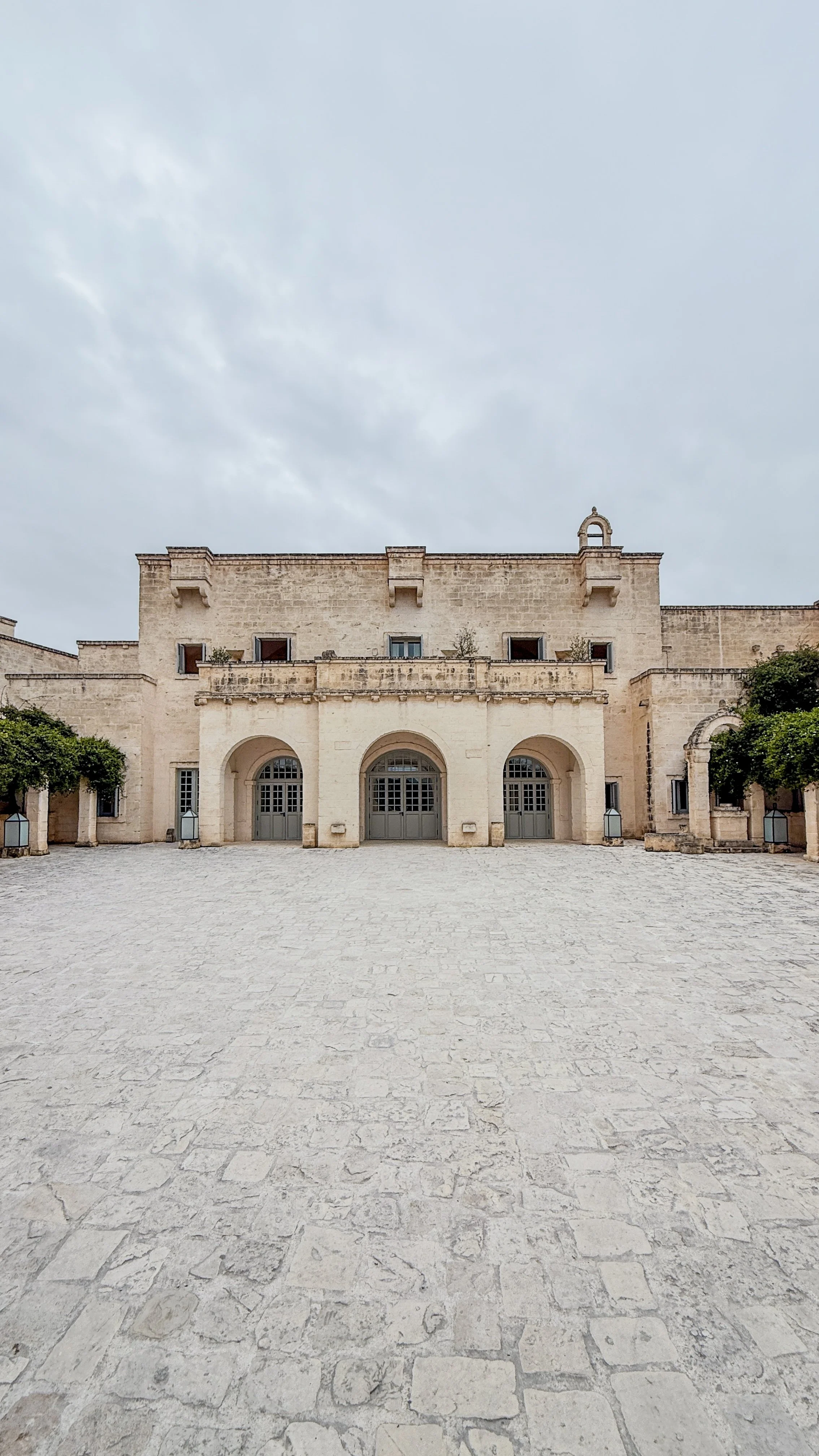
From Alberobello, we happily got lost in the countryside on the way to Borgo Egnazia. Driving in that part of the country is so peaceful. Olive trees, almond trees in blossom, long green grass dotted with wildflowers. The time passes quickly.
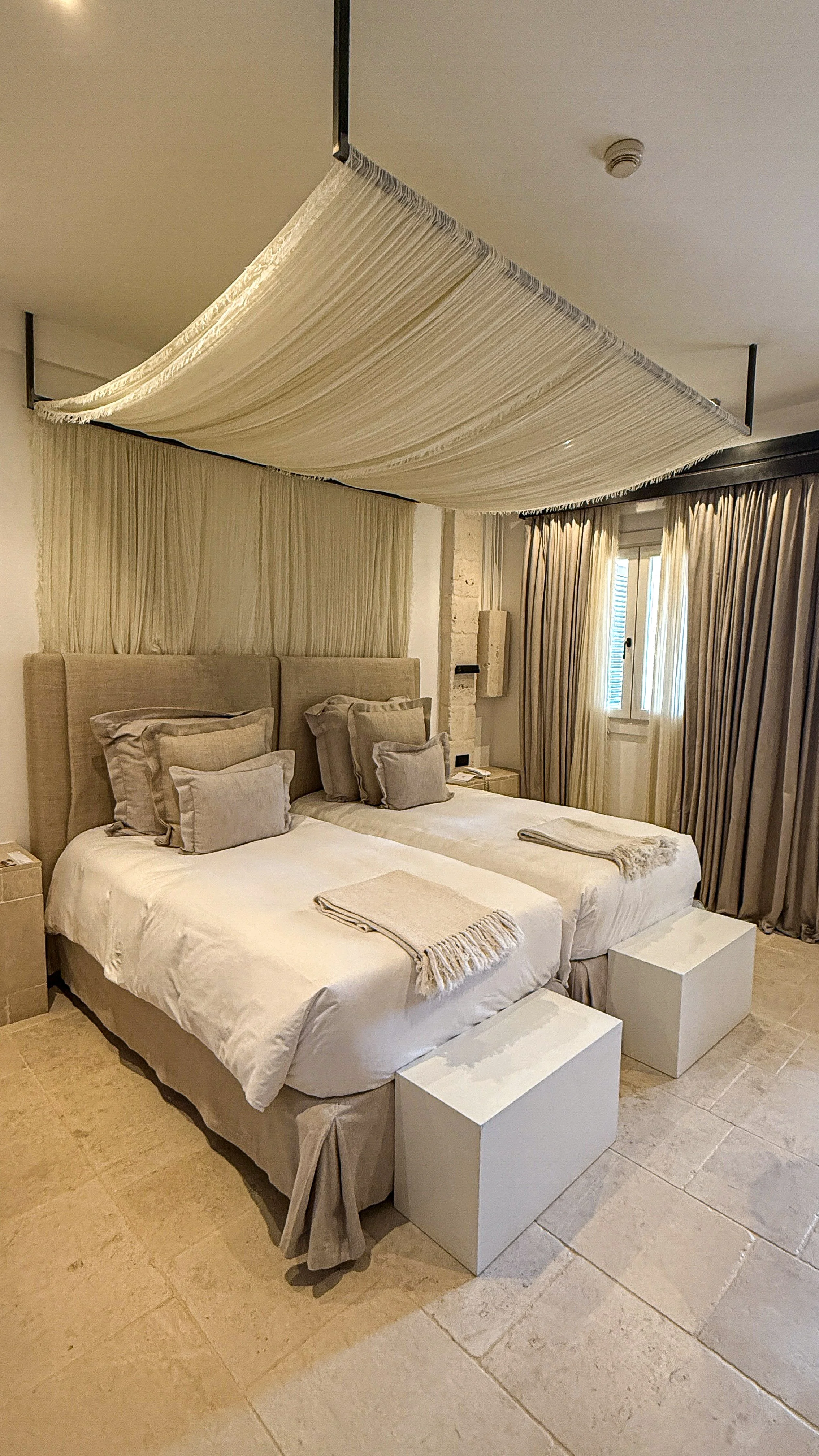
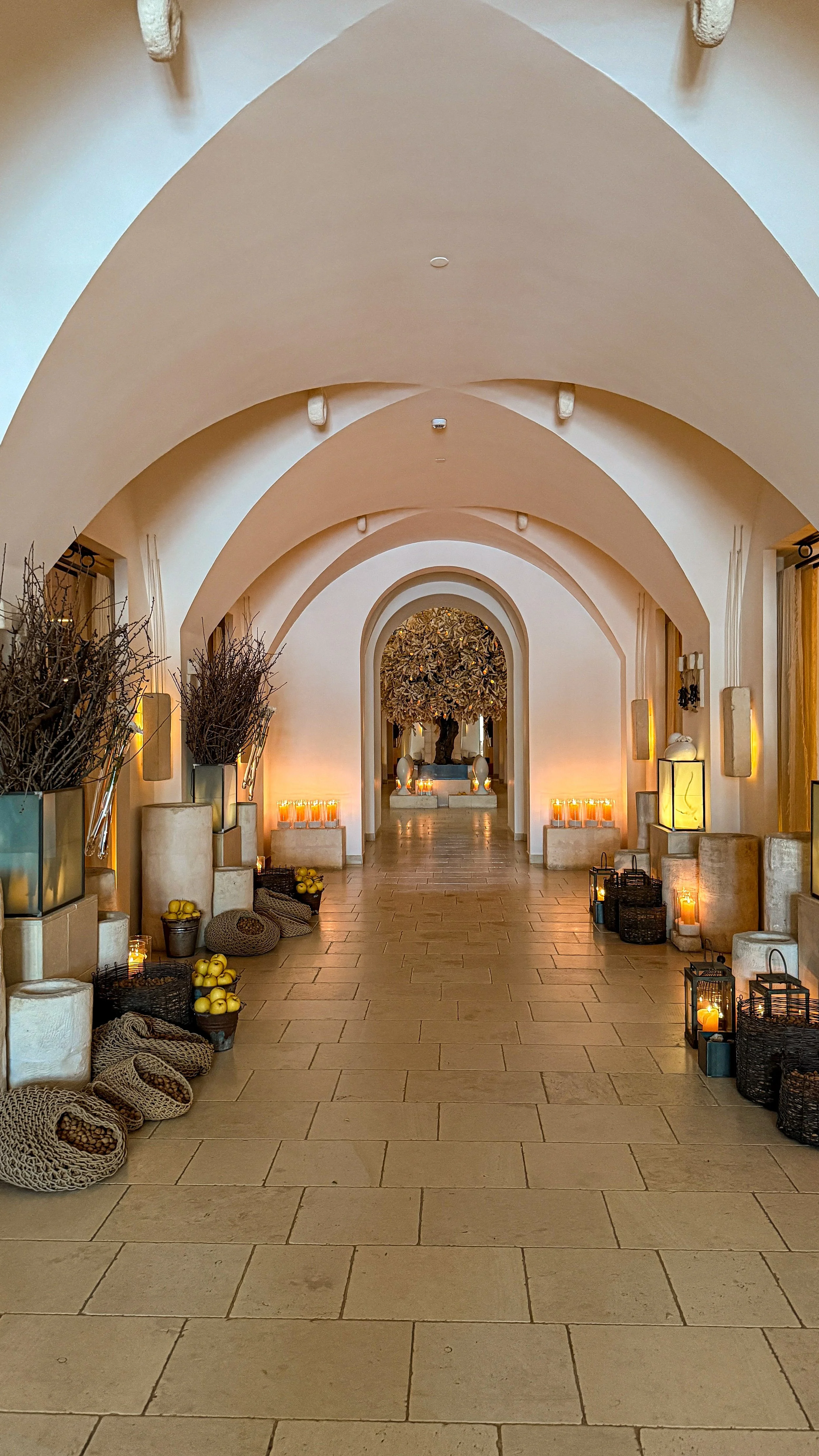
Borgo Egnazia is a large resort designed to feel like its own Puglian village. It's beautiful, offering everything you need for a stay — a tavern, outdoor restaurant, spa, workout facility, fun bar, and multiple pools. The hotel was built to replicate traditional local architecture and succeed in creating a spacious Puglian village that provides endless hours of exploration and relaxation opportunities. Staff members go out of their way to make sure you have what you need and to share local recommendations. We even found a warm welcome waiting in our room: focaccia, cold beers, refillable water bottles, and snacks.
The spa is worth carving out time for. There's a ten-stage wellness experience that includes sauna, ice chips to rub onto your skin, cold shower, steam room, and repeat. It was luxurious and soothing, especially the quiet space afterwards. There are also spa treatments if you want to indulge further. Rooms are large, well designed, and comfortable, and it's a great spot for couples, groups, and families given all the amenities and space.
Polignano a Mare & Monopoli
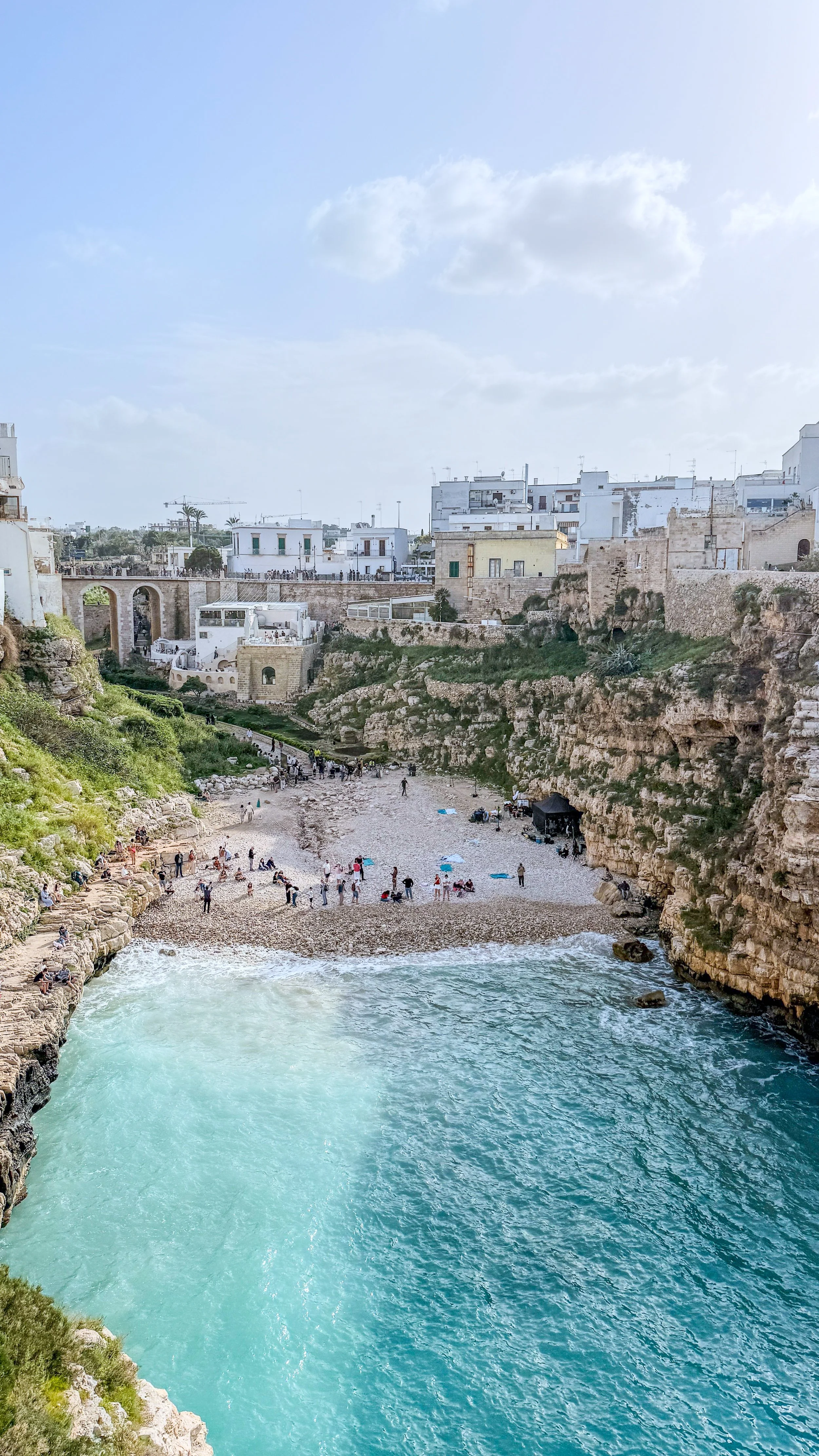
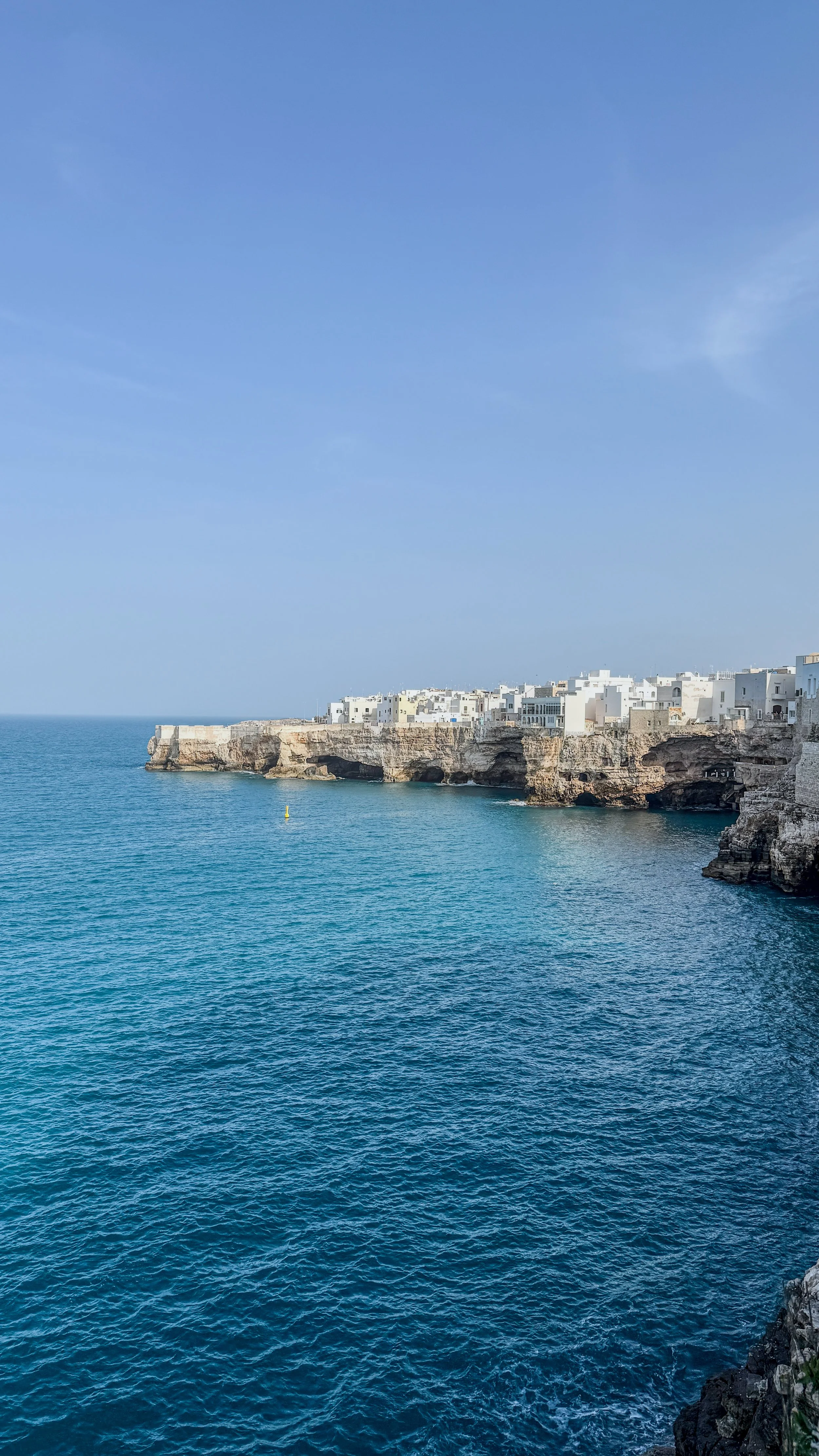
Our last afternoon was a quick trip to two well-known coastal towns. Polignano a Mare is dramatically beautiful, with stunningn clifftop views over the Adriatic. It's busy with tourists and parking is a challenge, but wandering the old streets and stopping for a spritz with a view is worth the effort. If you can, go in the morning before the crowds arrive, especially in the summer.
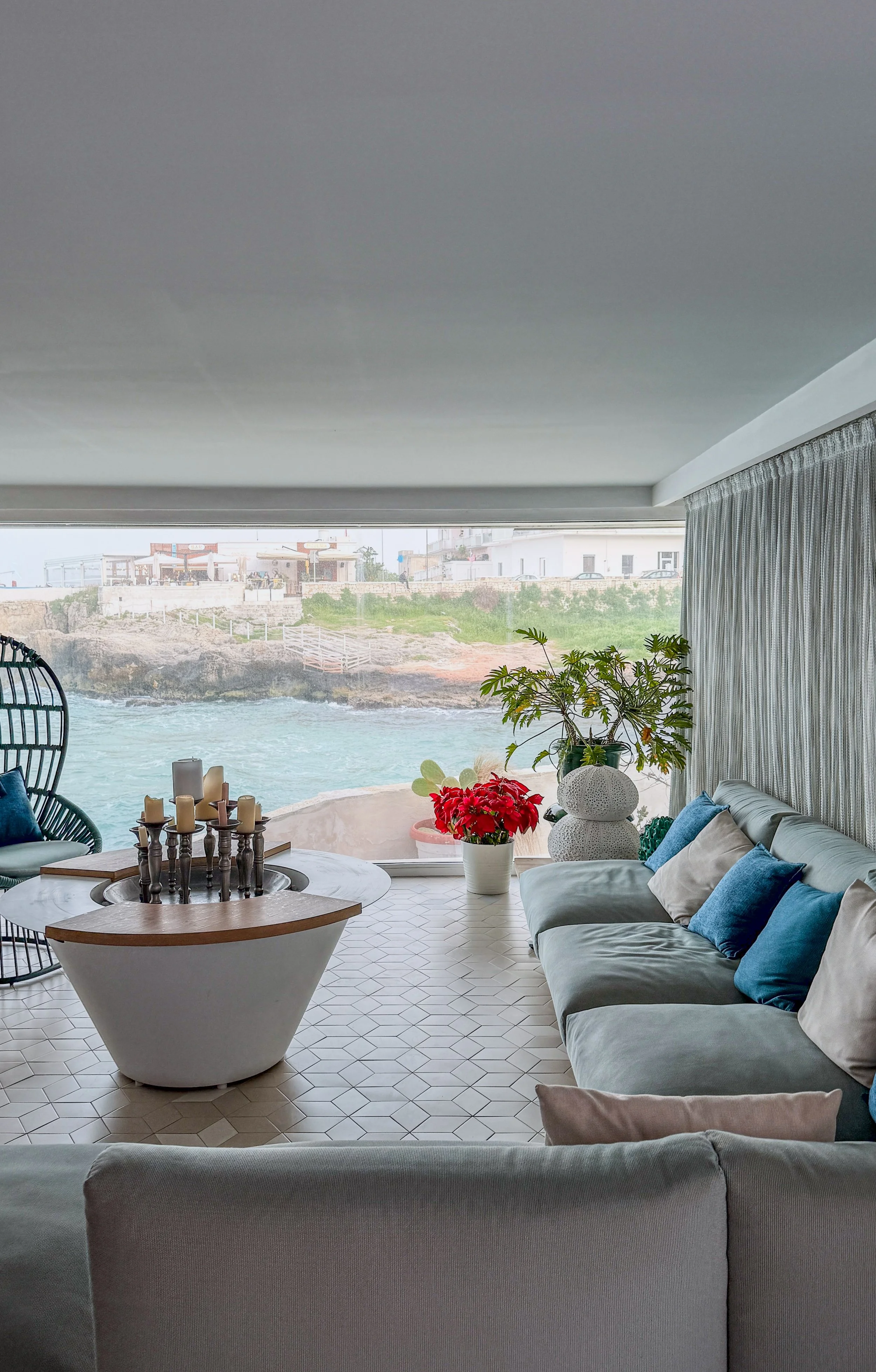
We got to Monopoli around sunset, which gave us a beautiful view of golden hour. We didn't have much time to explore beyond a glass of wine at Lido Bianco, a seafood spot right on the water, but it's a town I'd come back to when I have more time to enjoy one of the many beaches and wander the streets of old town, which came highly recommended by our hotel staff.
On the drive back, we stopped for dinner in Savelletri at Osteria del Porto, a recommendation from Silvia at Engel & Völkers in Lecce, which was excellent. They serve some of the freshest seafood you’ll find, which made it a perfect ending to our time in Puglia.