A Visit to Palazzone in Umbria to Discover Orvieto Wine
Italian white wines are some of my favorite wines. I seek them out, I study them, I order them whenever I can. But Orvieto, Umbria's signature white wine, can be hard to find. So when a friend in the wine industry connected me with Palazzone, one of the top producers in the region, I was very excited (to say the least).
The Arrival
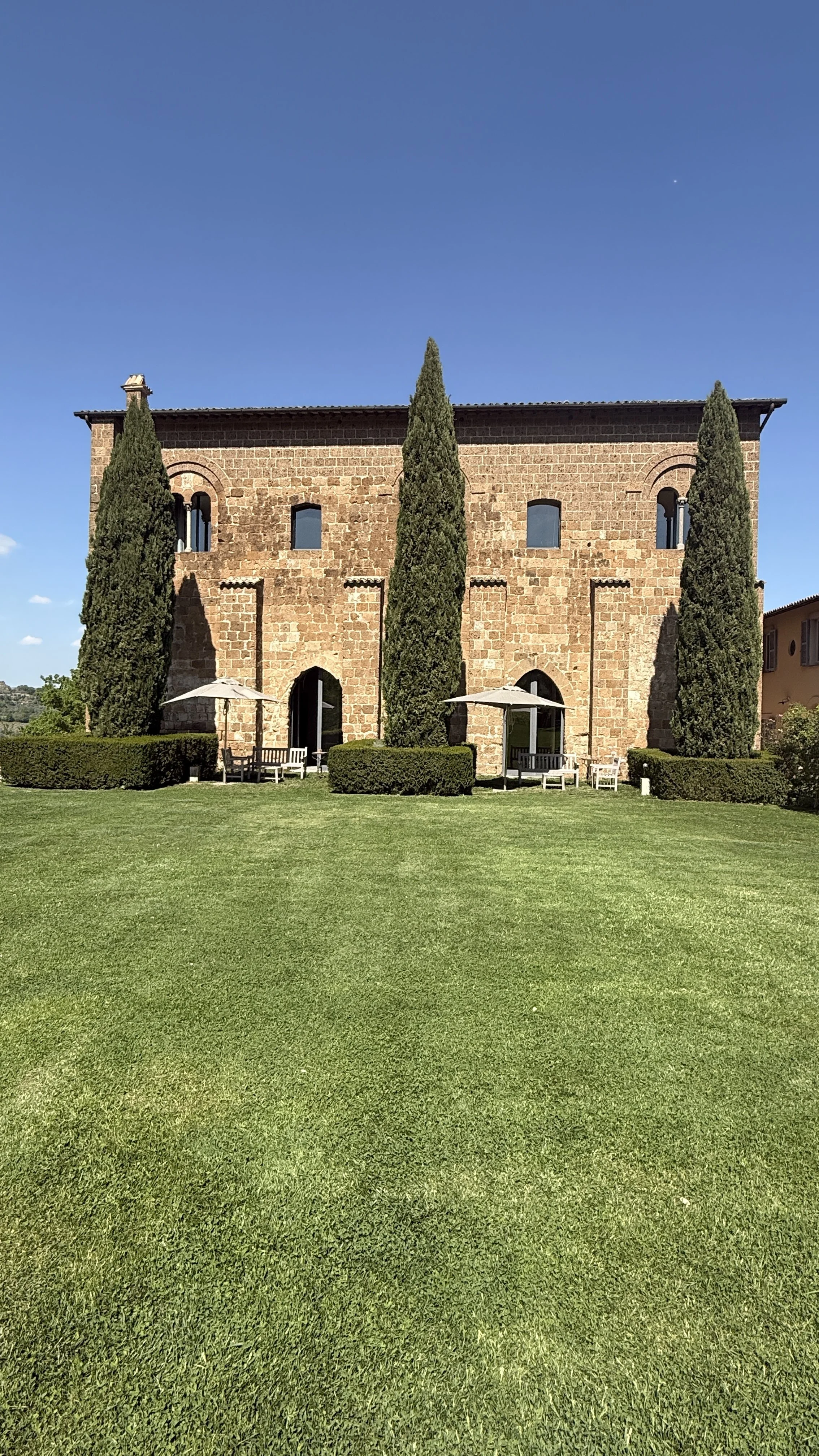
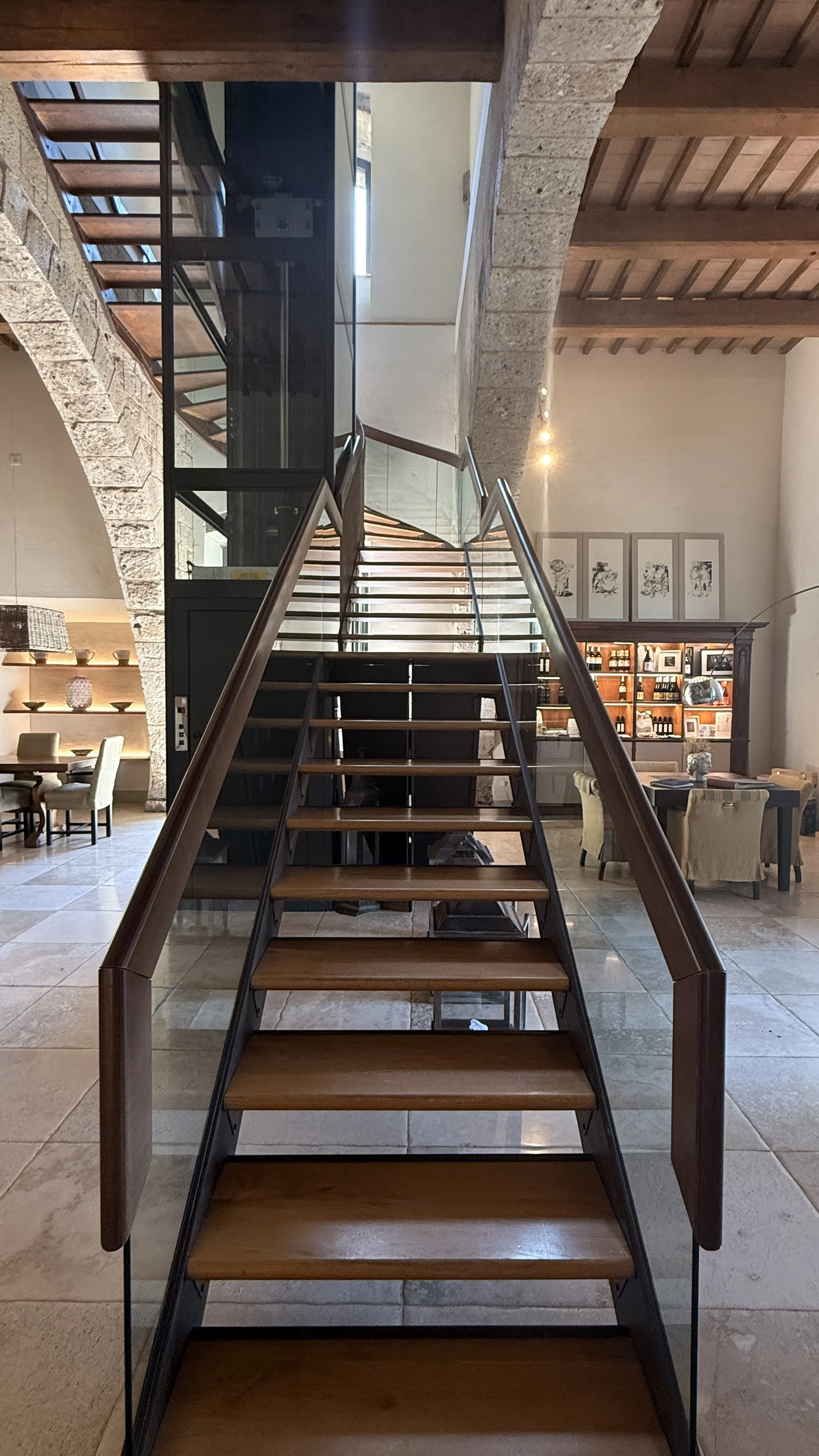
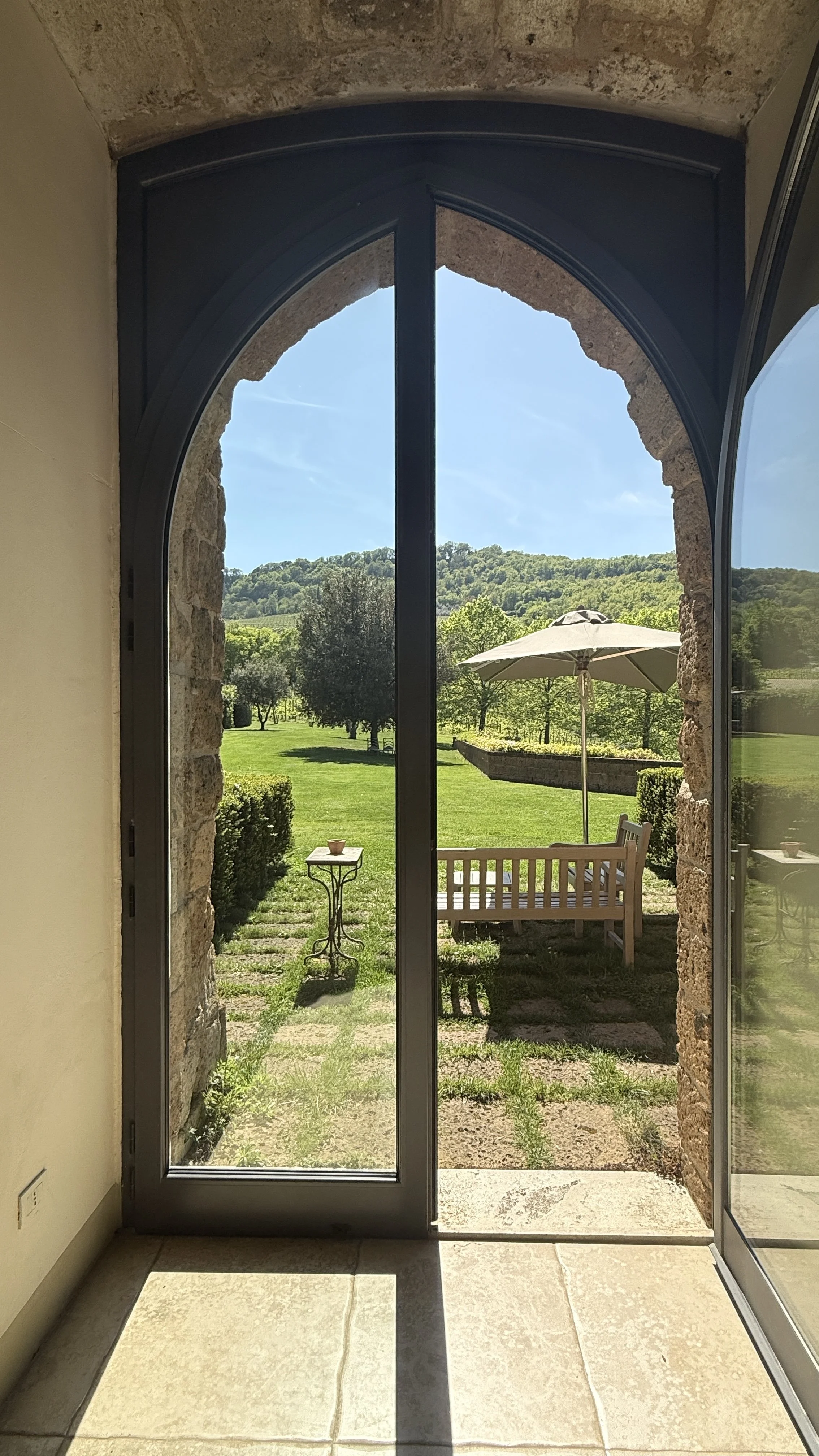
The drive there set the tone. Soft, green, rolling hills in every direction led me to a beautifully restored stone estate. It was quiet, peaceful, and thoughtfully decorated. The main room was full of pieces that made me feel like I was wandering through a museum.
In addition to being a winery, Palazzone is a boutique hotel with eight suites for guests to enjoy. Something to consider if you want to make Orvieto your home base while exploring Umbria.
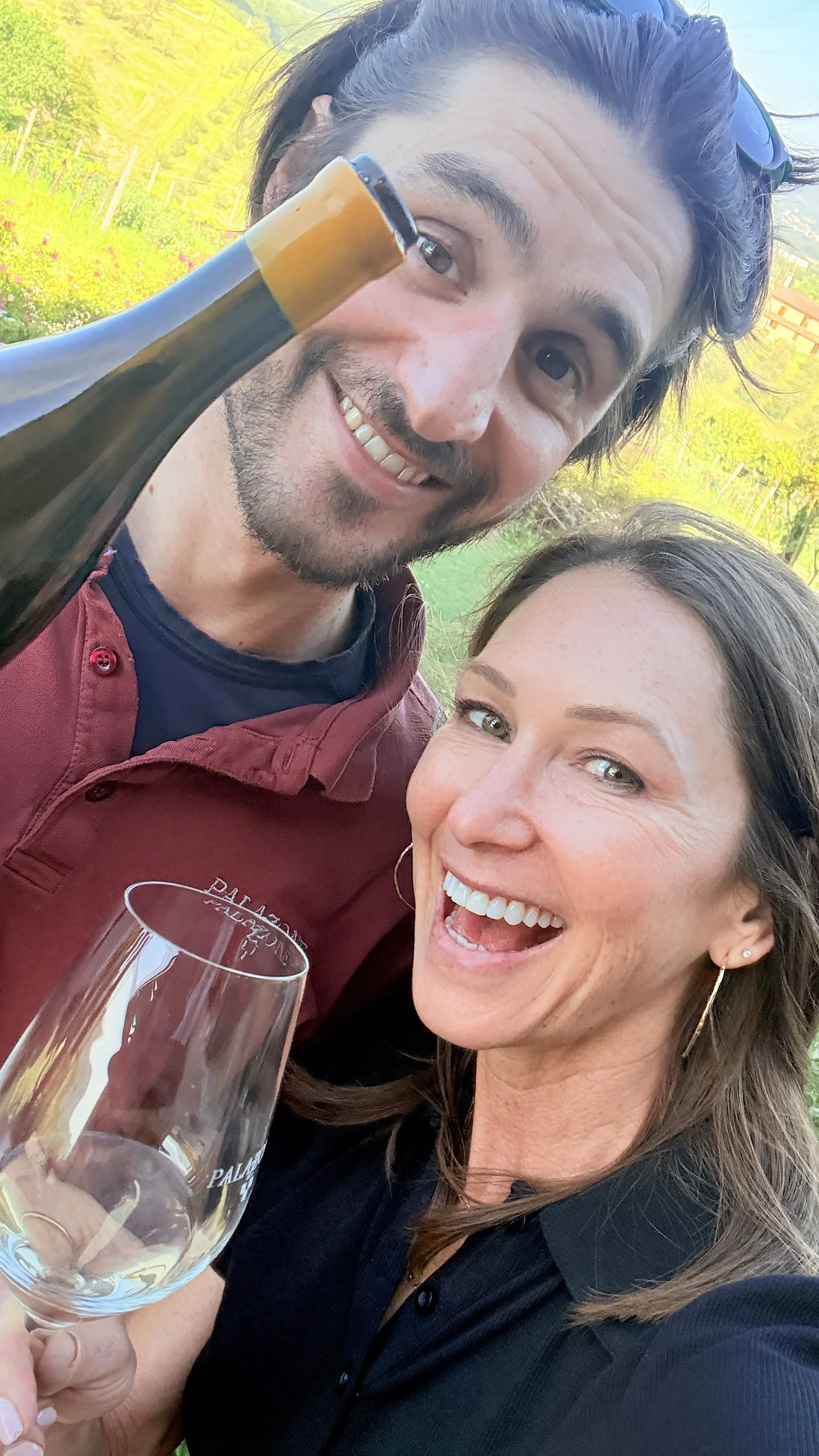
I was greeted by Pietro Dubini, grandson of the founder and the estate's winemaker. He's in his early thirties, trained in Piedmont and Marlborough, New Zealand, and is now fully leading production.
About Palazzone
Angelo Dubini bought the medieval palace in 1969, which was originally a hostel for pilgrims walking to Rome for the Jubilee. He began planting vines on the hillside with an exceptional view of Orvieto. The first vintage was made in 1982 by his two sons, Giovanni and Lodovico. By 1988, production had grown enough to justify building their own winery for production, which bacame Palazzone as it exists today.
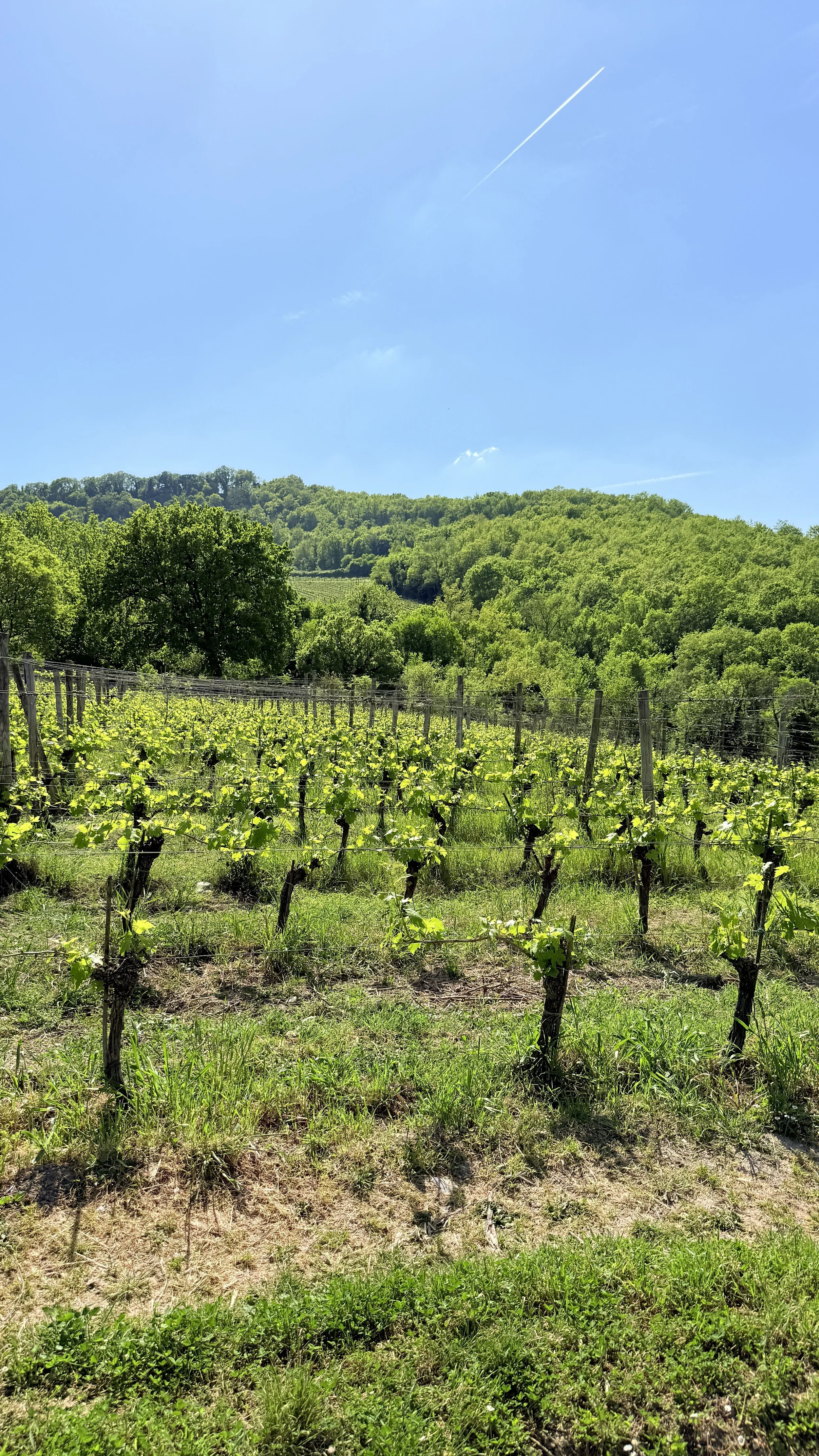
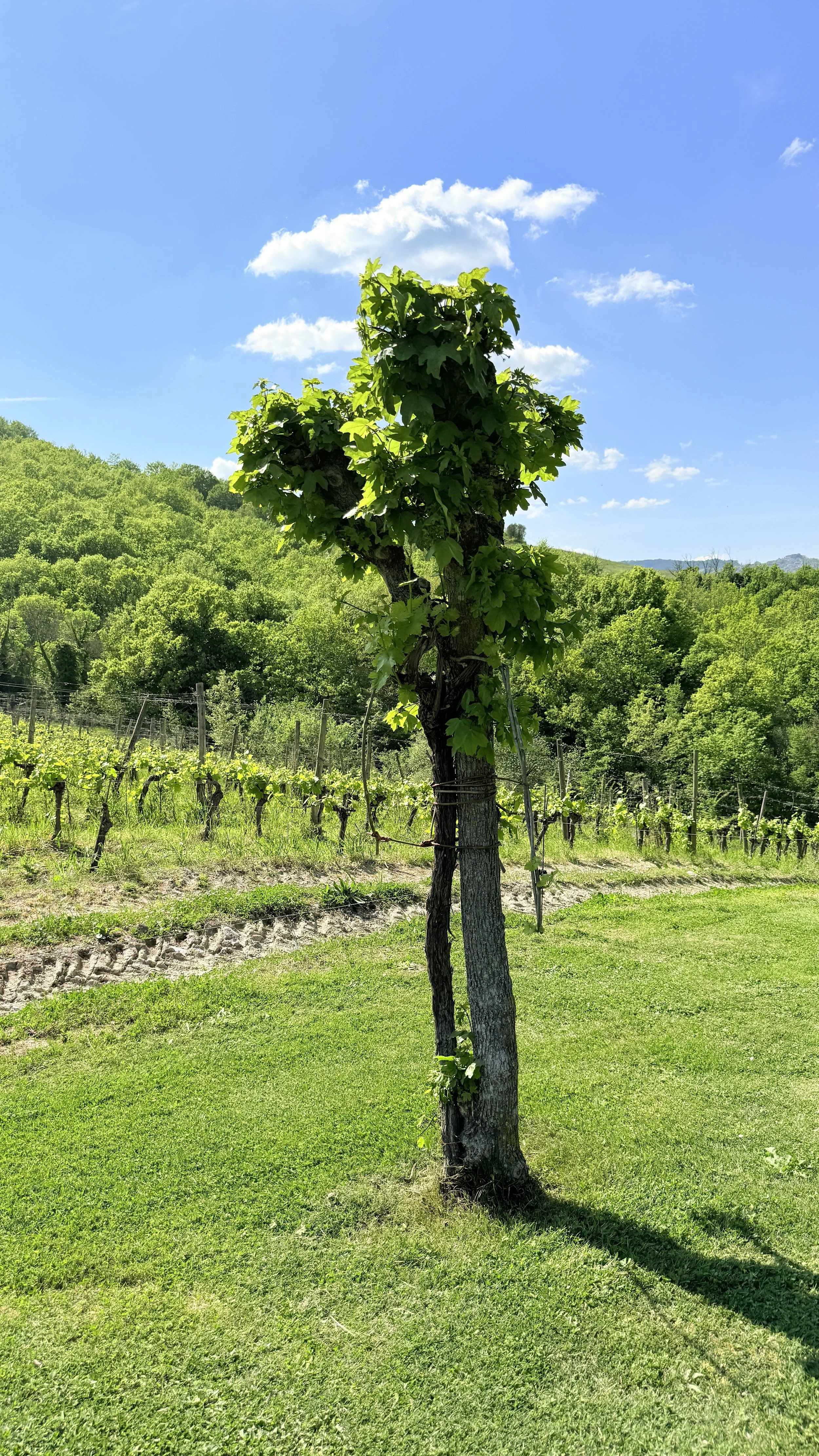
Now Pietro continues that work with a lot of passion. They farm without herbicides, seed fava beans between rows in winter, and make decisions that prioritize the place over the market. A lot of care goes into the land.
The Vineyard and Winery Tour
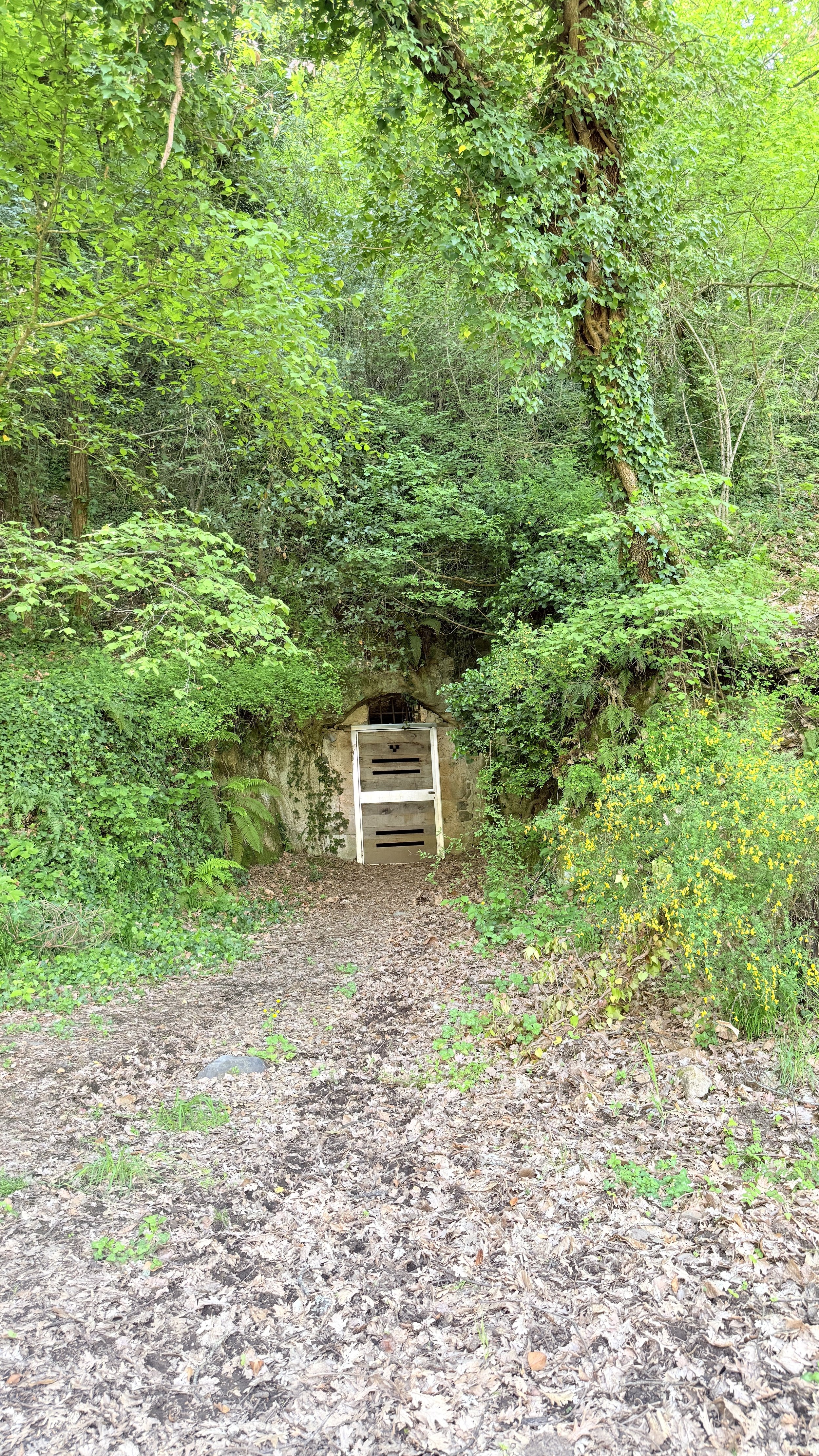
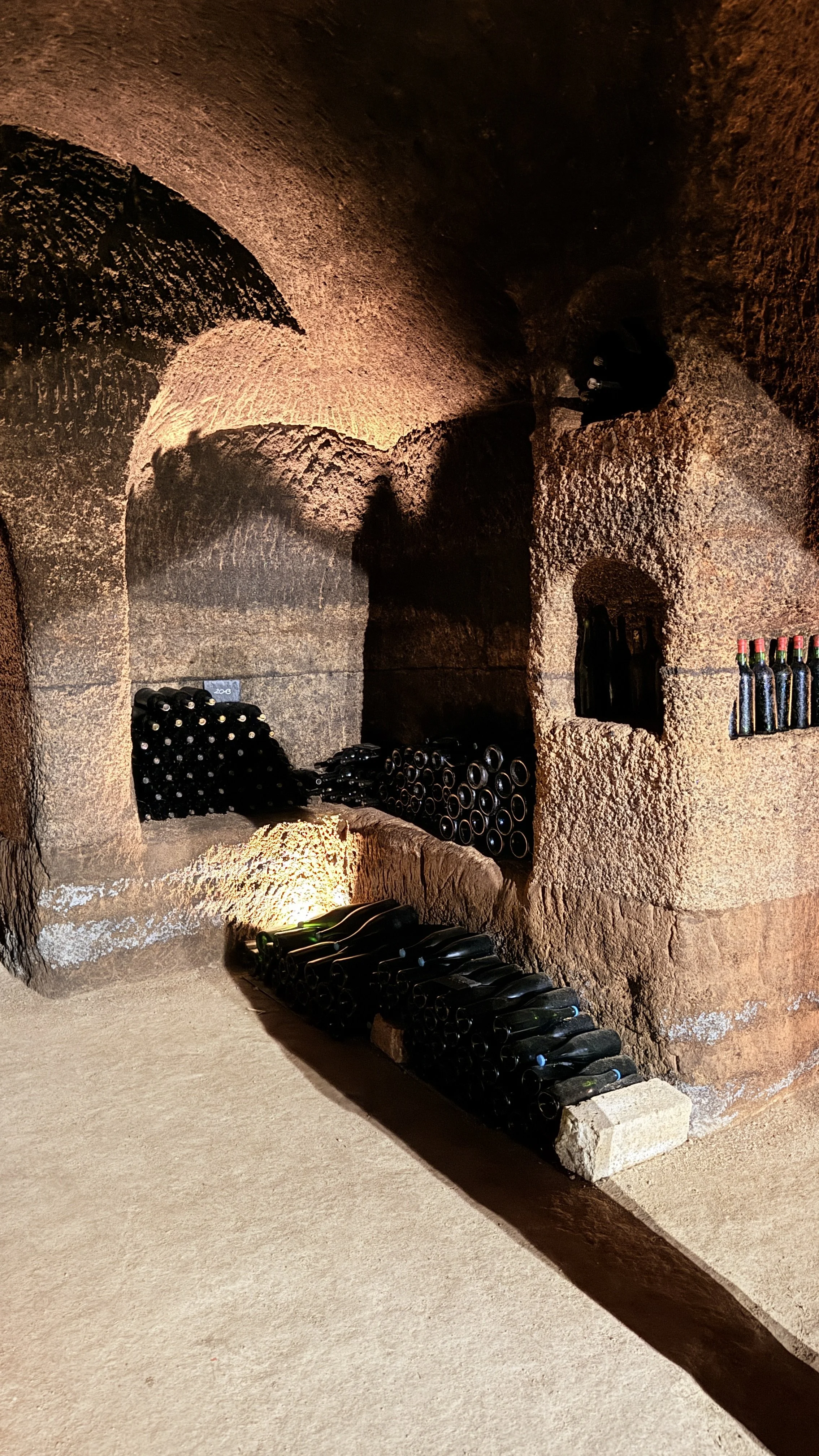
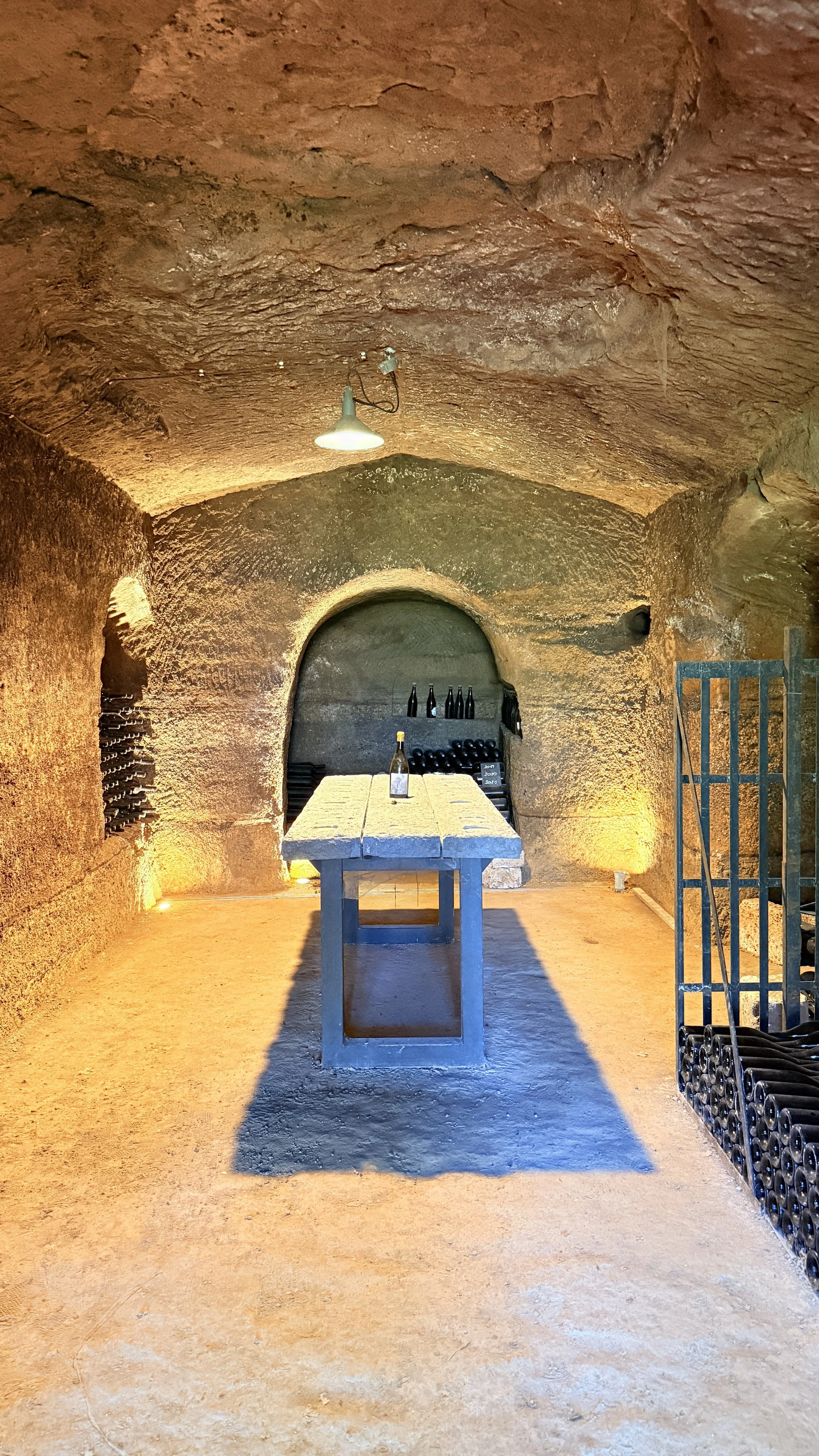
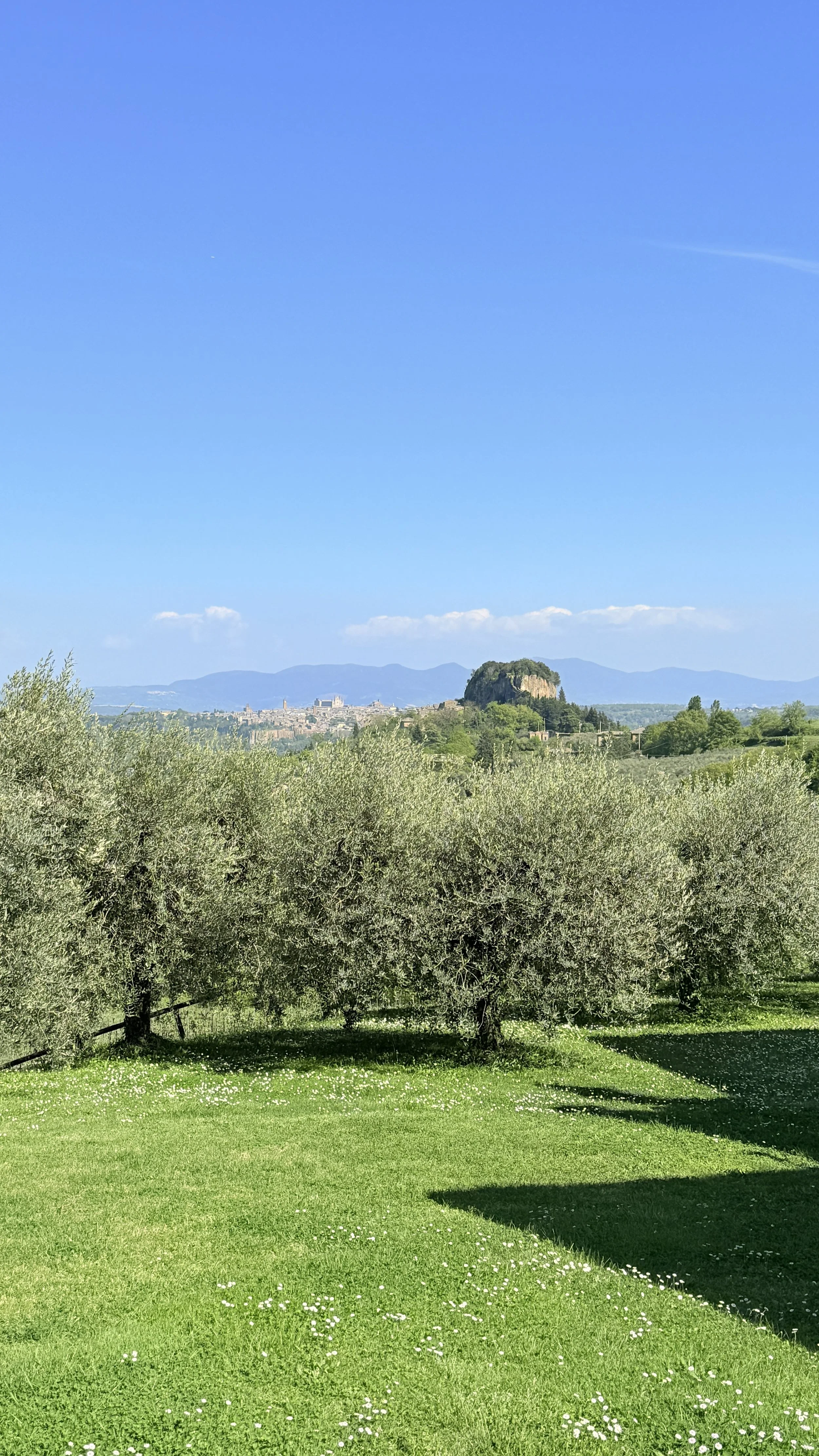
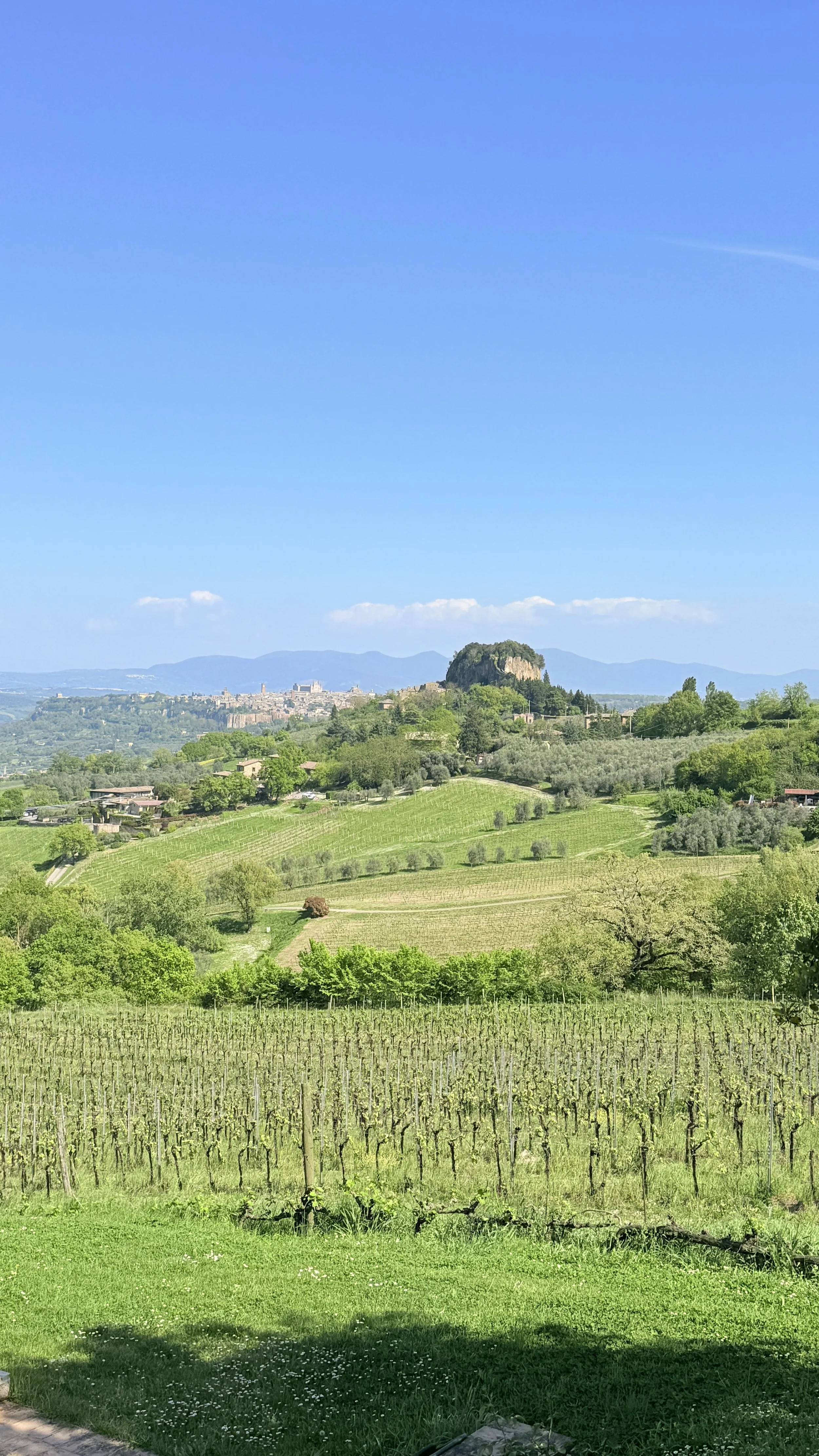
Pietro and I walked the lawn of the estate as he described the history of Palazzone. From there, we drove up the hill to his parents home overlooking the vineyards and the town of Orvieto. Pietro then took me to the Etruscan caves where he used to play as a child, and where they still make one of their wines in an almost entirely handmade, old-world style. It was fascinating to learn about the time spent recreating the historic Orvieto wine.
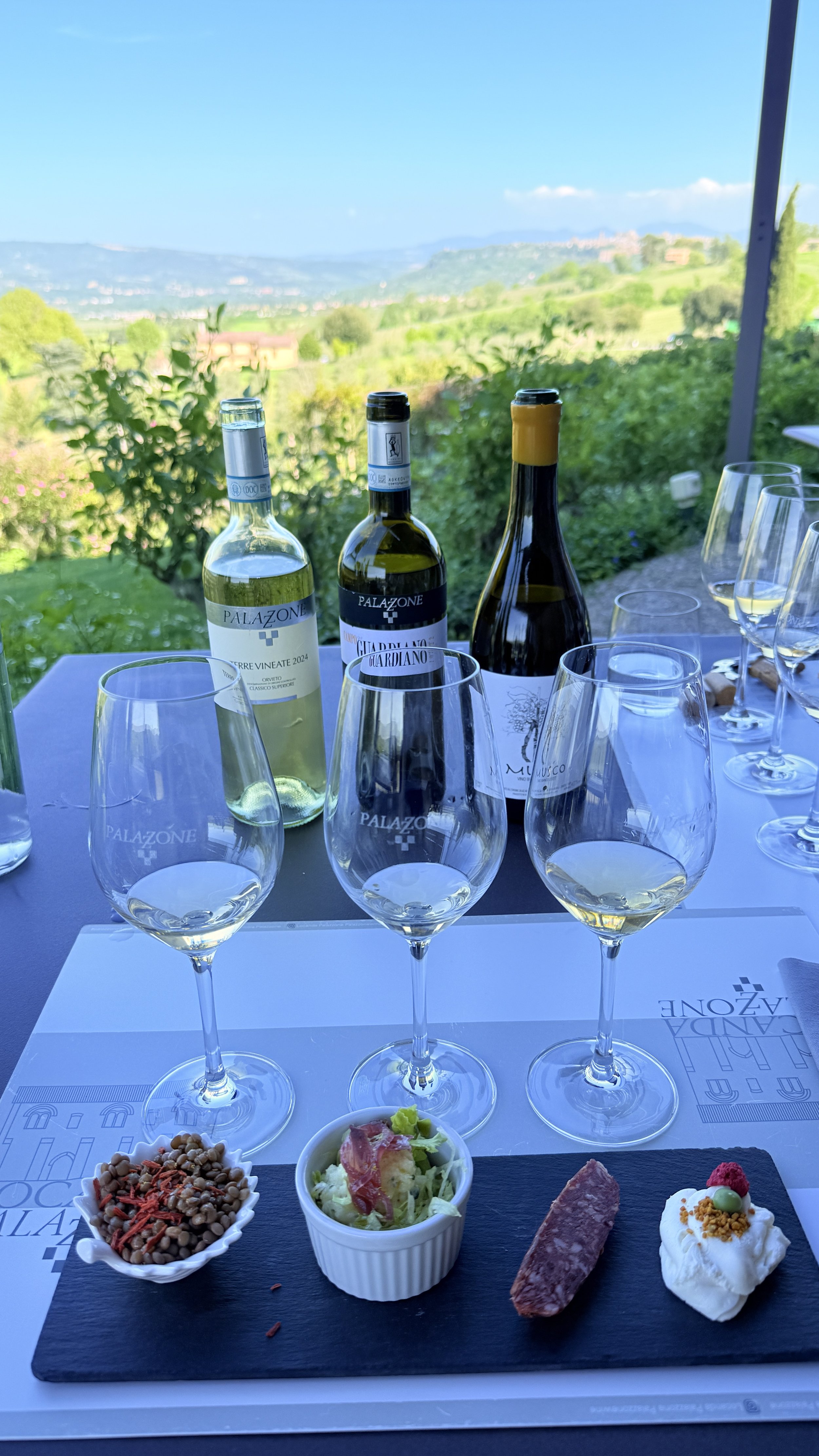
Afterward, we walked through the small winery before enjoying a relaxing tasting outside. We tasted through a great lineup of wines, and in some cases compared them side-by-side. The onsite chef prepared small bites of local food to pair with each wine. It was both delicious and educational.
What is Orvieto Wine?
Orvieto is one of Italy's oldest and most historically significant white wines, with roots that trace back to the Etruscans and a reputation that, at its peak, made it one of the most coveted white wines in the country. In the 1960s, Antinori and Ruffino were bottling Orvieto in Tuscany because Tuscany didn't have a white wine of comparable standing.
The wine is a blend of four local grapes: Trebbiano Toscano, Grechetto, Verdelho, and Malvasia. When made well, it's a medium-to-full bodied white with mineral character, clean acidity, a saline quality that makes it very food-friendly, and serious aging potential. Pietro mentioned opening a 2003 at a dinner recently that was still drinking beautifully.
The catch: most Orvieto you'll find on a shelf isn't representative of any of that. The DOC's bulk production is dominated by a handful of large companies, many of them bottling hundreds of kilometers away in Tuscany or Piedmont. The result is inexpensive, neutral, and much less exciting. Pietro's advice: check the back label. If it wasn't bottled in the Orvieto area, keep looking. Palazzone is considered one of the finest producers in the area.
If you want to learn more about Orvieto wine, check out The Wine Pair podcast here.
The Wines
Palazzone's terroir is particularly compelling because the estate sits at the intersection of marine sedimentary soil in the lower valley, and volcanic soil at the top of the hill. This formation was created from eruptions from what is now Lake Bolsena, the largest volcanic lake in Europe. Pietro carefully selects grapes from different vineyard to create the estate’s exceptional wines.
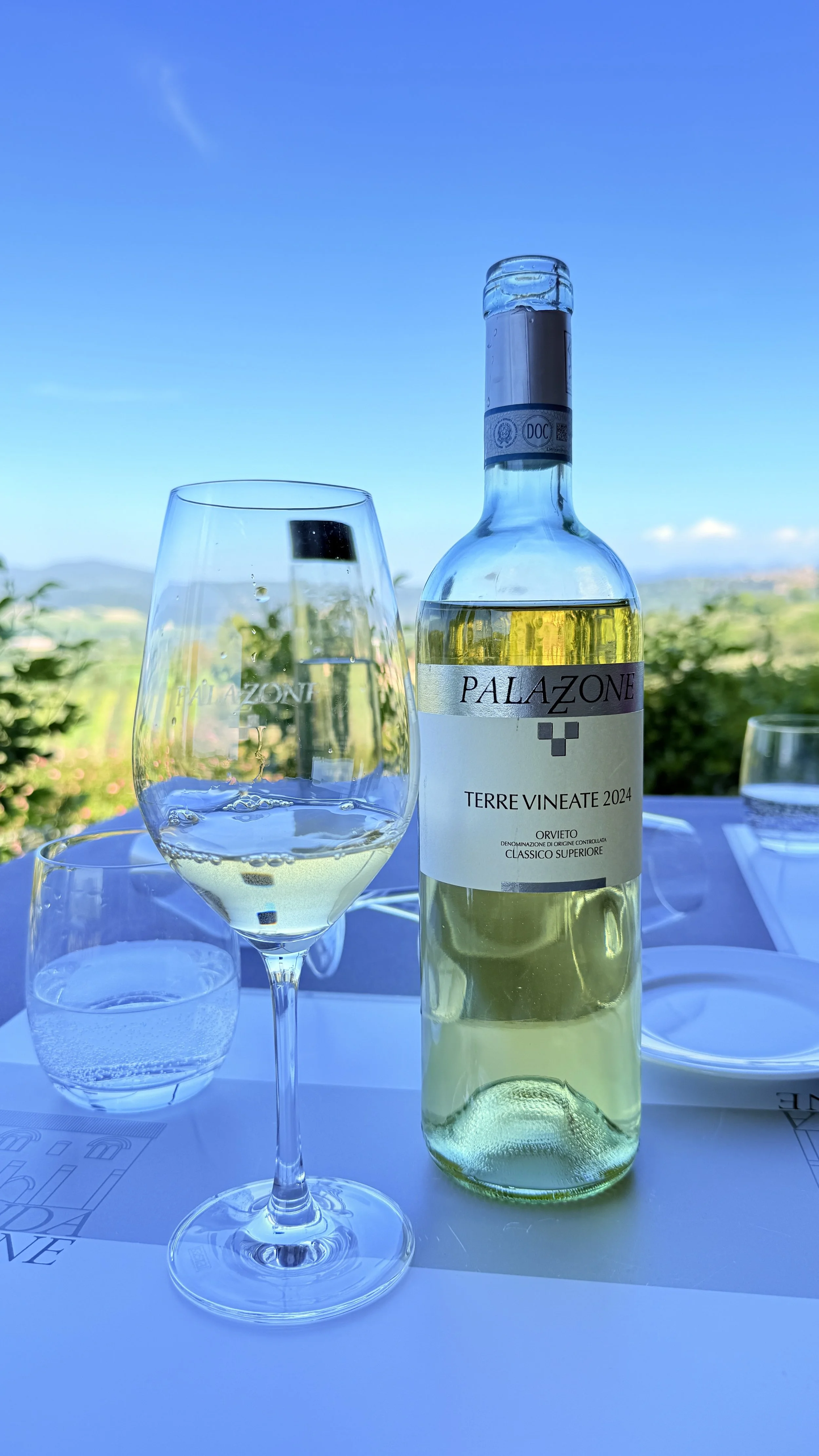
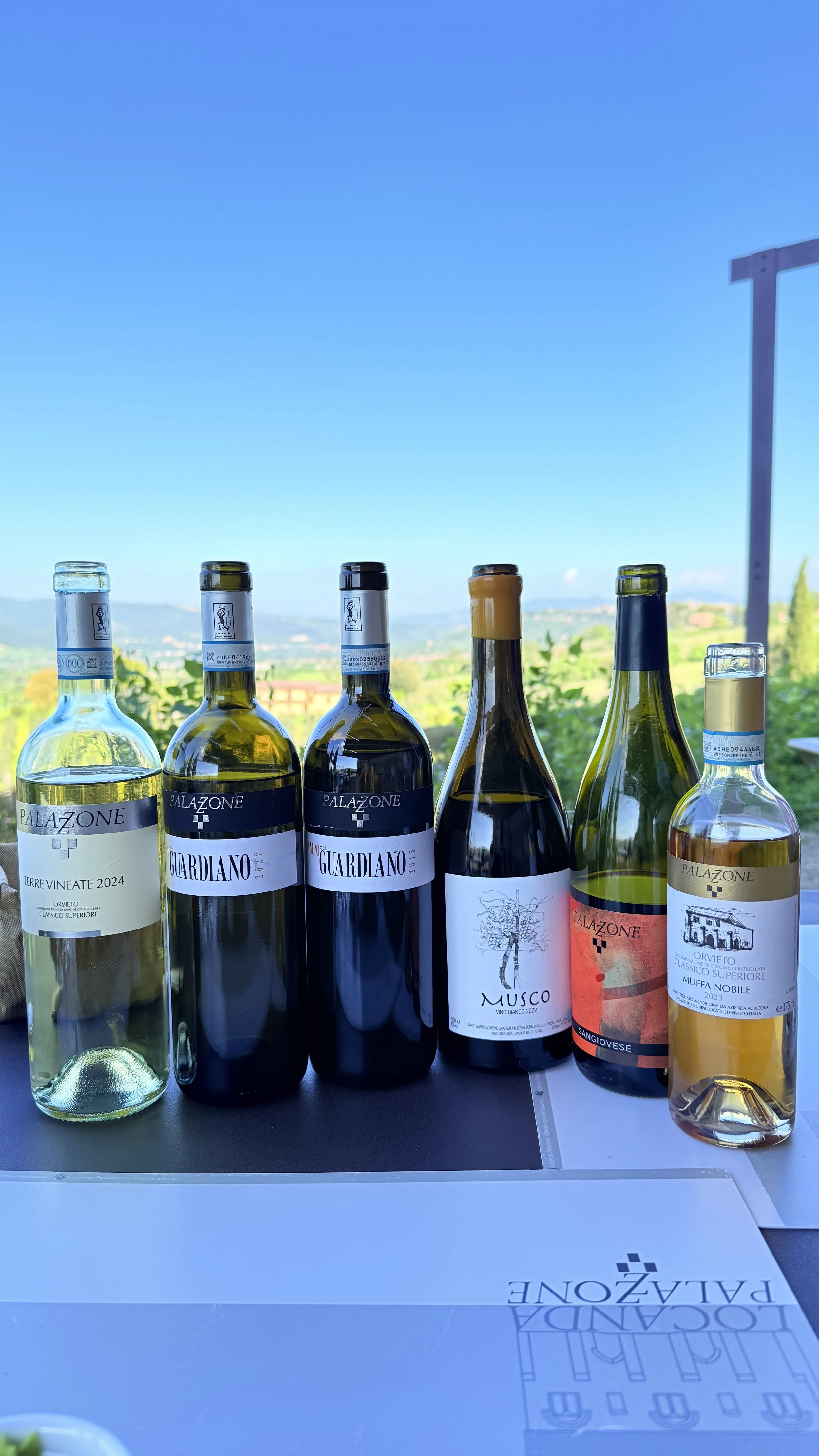
Terra Vineata (~€12 at the estate, ~$15-20 in the US)
The flagship Orvieto and the best starting point. Medium-full bodied, mineral, with bright acidity and a clean saline finish that keeps drawing you back for another sip. Pietro describes it as the wine he has in mind when he thinks about what Orvieto should be. Perfect with roast chicken, pasta, truffles, or the lentil and bean dishes Umbria is known for. An exceptional everyday white at this price.
Campo del Guardiano (~€18 at the estate)
A single-vineyard selection from the highest volcanic ground on the estate. More structured and layered, and pairs beautifully with lamb or aged cheese. Palazzone holds back bottles of every vintage and releases them slowly. Older bottles are available directly from the estate if you want to explore what age does to this wine.
Mùsco (~€30 at the estate, very limited US availability)
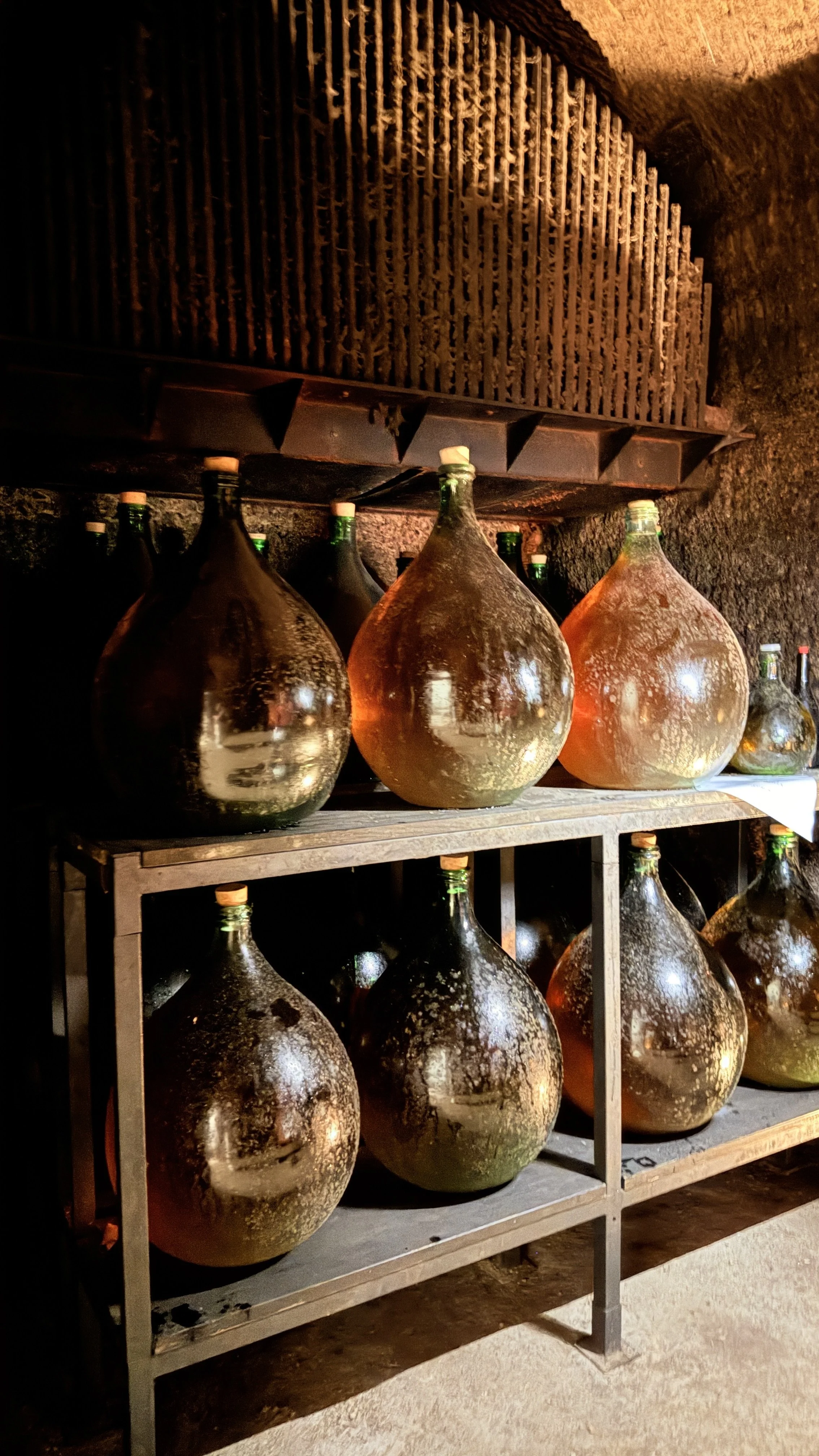
Made in the Etruscan cave using methods that haven't changed in a century: a field blend from the estate's oldest vines, fermented in 13-year-old chestnut barrels (because oak was too expensive), stored in glass demijohns, never filtered, siphoned entirely by hand. The process takes two full years before bottling.
The wine has an amber-gold color from the wood and brief skin contact, with layers of dried fruit, spice, a hint of nuttiness, and a long finish. Pietro calls it artisanal rather than natural, which is a distinction he feels strongly about. Production is tiny. If you see it, buy it.
Botrytis Sweet Wine (limited, estate only)
A late-harvest sweet wine made in the right years, when foggy mornings and warm, dry afternoons in the fall allow noble rot to concentrate the grapes. Historically, Orvieto was always made with a touch of sweetness. This is a beautiful nod to that tradition. Not syrupy or heavy. There’s a good amount of salinity and an elegant finish. Wonderful with cheese, or on its own as what Pietro called a "meditation wine." Cheers to that!
If You Go
Palazzone is open for tastings and worth booking in advance. The estate is about five minutes from the center of Orvieto, with views of the city's iconic cliff directly across the valley. They have eight suites if you want to stay on the property. Given the peace and beauty of the place, you might want to.
It's easy to reach: right off the A1 highway between Rome and Florence, about a 90 minute drive from Rome.
Palazzone, Loc. Rocca Ripesena 68, Orvieto ·palazzone.com